





The Joys of Island Hopping on the Canaries
Index Digital Publisher Stephen Gurney takes us on the tour of the Canary Islands, the Spanish archipelago off the coast of northwestern Africa. This is a guide for some great places to visit independently and some winter sun.
When you think about taking a month-long adventure island hopping on the Canaries using the local ferries and buses, you would be forgiven for assuming it would all be about jumping on and off the transport, then simply relaxing, looking at beautiful scenery and putting your feet up with a glass or two of something special.
However, little did I realise just how much walking I would do and only towards the end did I discover the benefits of aloe vera – and here you will find the best in the world!

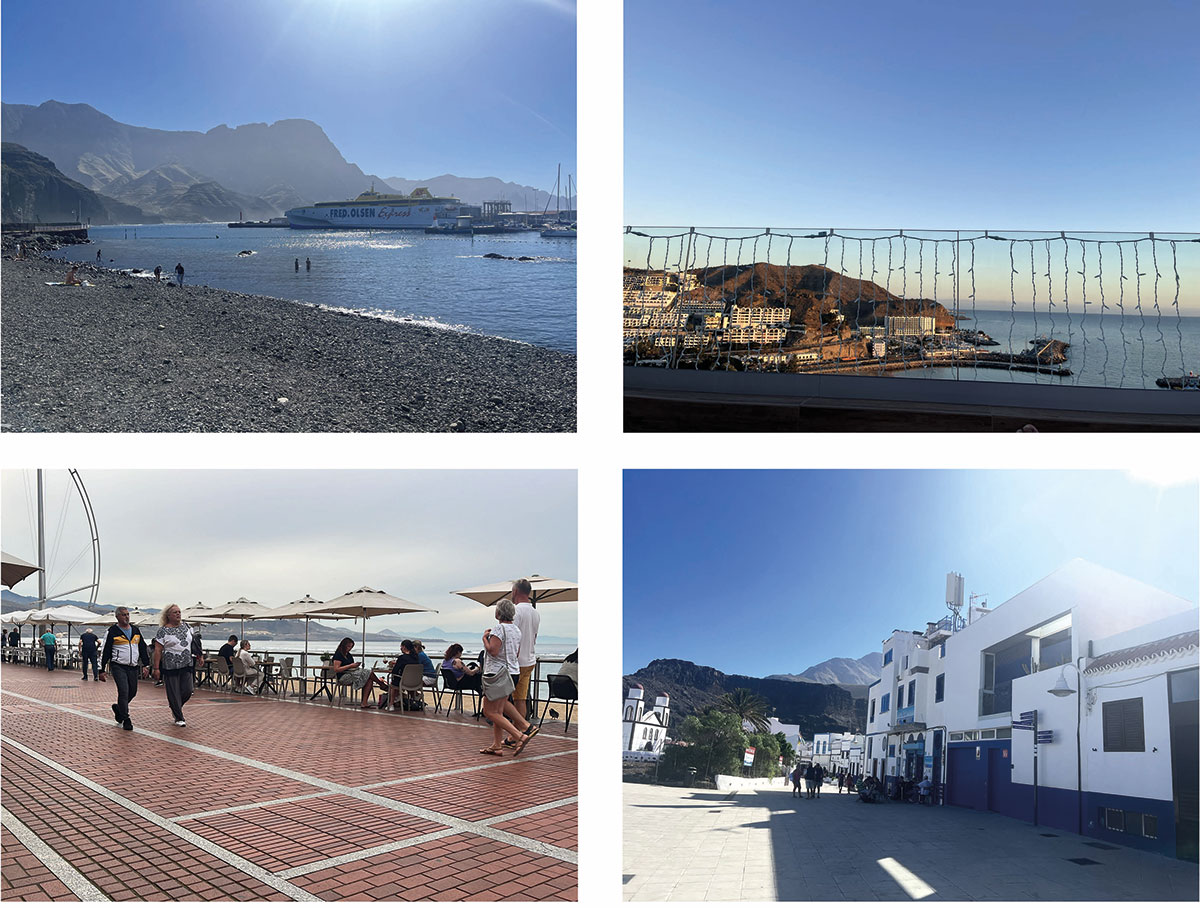
 On my travels I spent just 24 hours in each location and in this article I have picked my favourites while visiting Fuerteventura, Gran Canaria and Tenerife...
Puerto del Rosario is located just five minutes by bus from the airport and is the capital of Fuerteventura. Originally the capital was Betancuria, which is the oldest town on Fuerteventura and well worth a visit too if you get a chance. In Puerto del Rosario you will find a mixed vibe, as being a port town it is busy when cruise ships are in and classically Spanish when they have gone. With its many whitewashed buildings and nearly all Spanish accents, it makes for a great city to visit for a day or so, with some great beaches nearby to explore and spend some time too.
The bus south to Costa Calma and Sotavento takes about an hour and only costs around 7euros. Throughout my trip I discovered that the buses here are really easy to use and also provide great value with a green card that you purchase at bus stations.
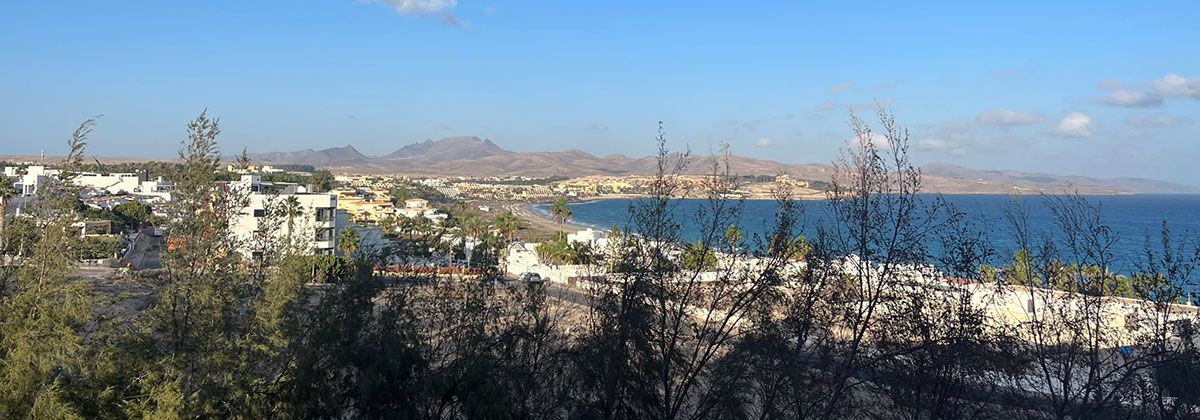
Costa Calma is a quiet tourist resort in the mid south of Fuerteventura, which was until the 1970s just a bar and a petrol station on the main road south to Morro Jable. A small town has now arisen there probably due to its stunning, long beaches and great location for windsurfing – but beware it can get very windy!
Sotavento beach is two kilometres around the corner, offering a two-mile lagoon and is well worth a visit as here you will have the feel of being in windswept desert. It’s very popular with kitesurfers and windsurfers – Sotavento has many international events due to its lagoon and the wind.

I was joined by my friend Jonathan for this part of my trip – in the hope of some windsurfing – but unusually there was no wind, so we opted instead to head south for the two-hour fast ferry to Gran Canaria.
Las Palmas, the capitol of Gran Canaria, had a good feel about it from the start. It’s a long widening strip with a stunning three-kilometre beach and esplanade one side and port on the other – in between is the city which offers much to do and see, as well as some fabulous restaurants and night life spots. The city has a real Cosmopolitan vibe with many stunning gardens, shops and classic colonial architecture.
Our hotel was above an electro music night club that opened from 11.30pm to 6am. Luckily we were not disturbed being on the sixth floor, but we still decided to give it a go and it was excellent fun – although we only made it until 2am! Plus for us it was a result just making it to the 11.30pm opening!
To soak up some more touristy atmosphere we visited the resorts of Playa del Ingles and Puerto Rico – both big tourist resorts with some places summing up exactly how a lot of people incorrectly perceive the whole of the Canaries. Still once you get over the touristy aspect of Playa del Ingles in particular some fun is to be had and there are some very nice areas to explore in both towns.
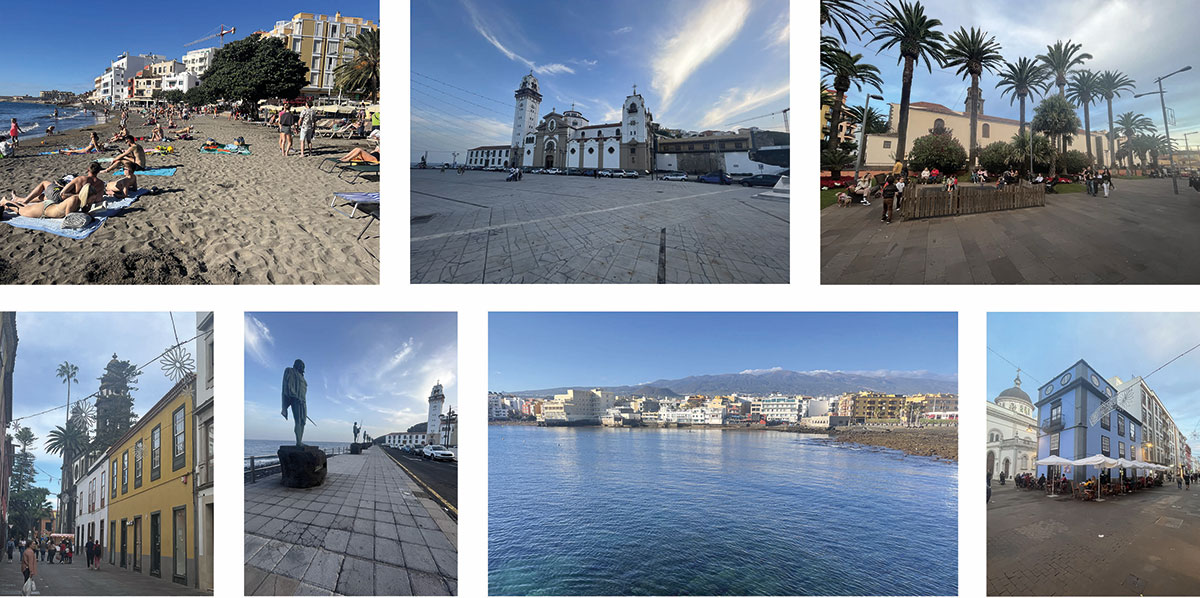
A short ferry ride next took me to Tenerife and the capital Santa Cruz. The original capital of Tenerife, La Laguna, is a short tram ride from Santa Cruz and is also well worth visiting.
Located in the north of the island of Tenerife, San Cristóbal de La Laguna was the first city established in the Canary Islands and to date is the only one to be declared a UNESCO World Heritage Site. Its colonial architecture, the linear layout of its streets – created in the 15th Century without protective outer walls – and a large pedestrianised shopping area, all combine to give a distinctive feel to this ancient university city, whose historic streets and churches offers a fabulous experience. It’s linear six street layout was the prototype the Spanish used in the Colonisation of the America’s.
YOU MIGHT ALSO LIKE: Visit San Francisco – The enthralling City by the Bay
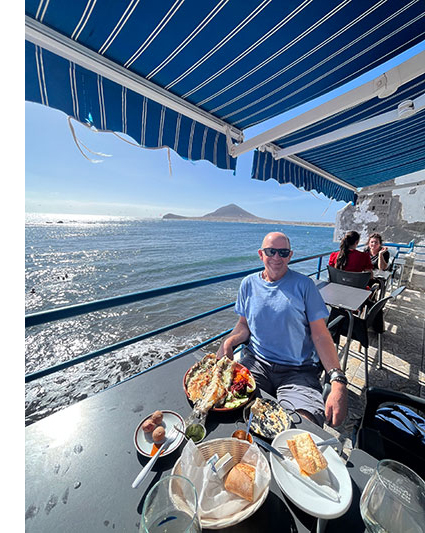
As well as La Laguna, my other favourite places on Tenerife on this trip were El Medano by the airport and Garachico on the north side of the island, both traveled to by bus from Santa Cruz – but in opposite directions.
El Medano is a windy bohemian surf town with a laid back vibe. It’s a great little town with good beaches, restaurants and bars. Everything is close to hand and it doesn’t feel too touristy – unlike Playa de las Américas and Los Cristianos nearby. There is always lots going on there, with hippy kite surf visitors from around the world wandering around beached blond and barefoot.
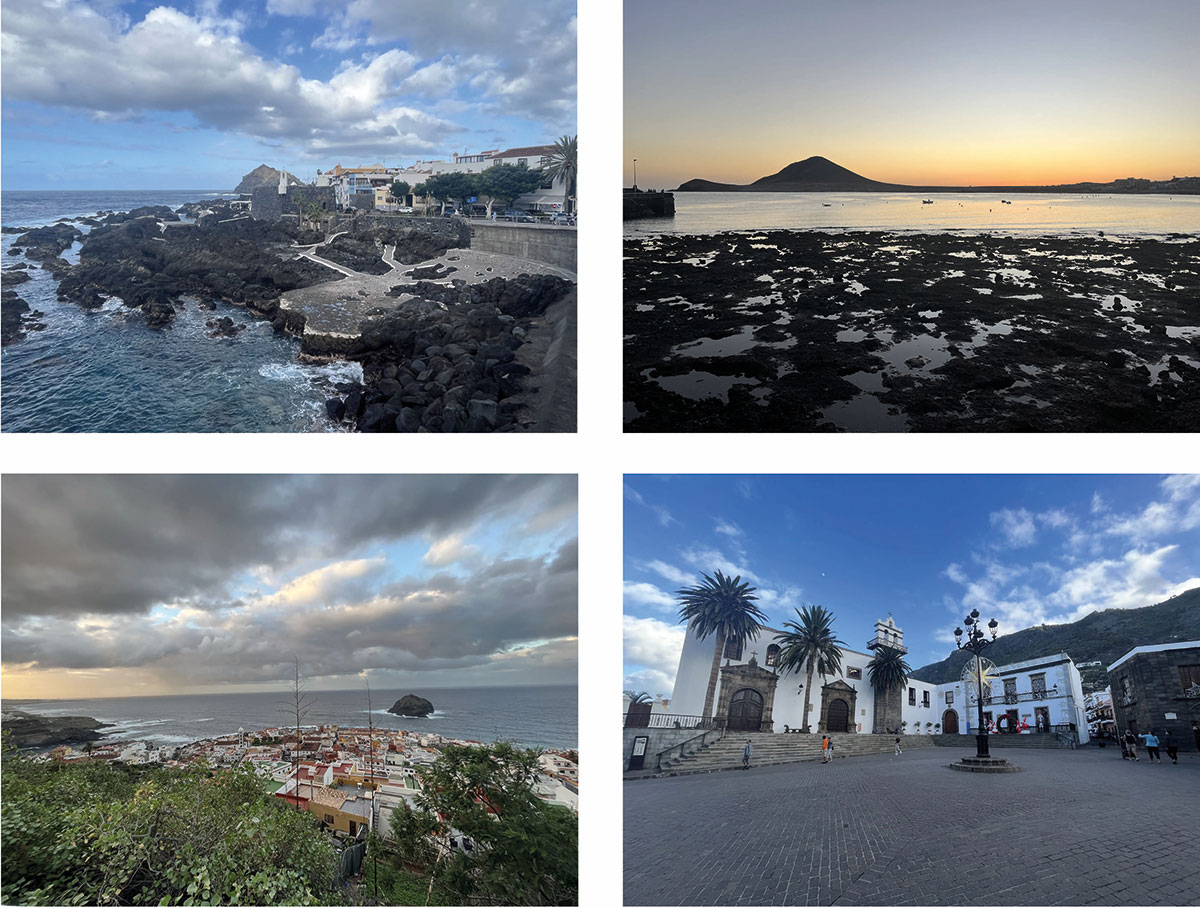
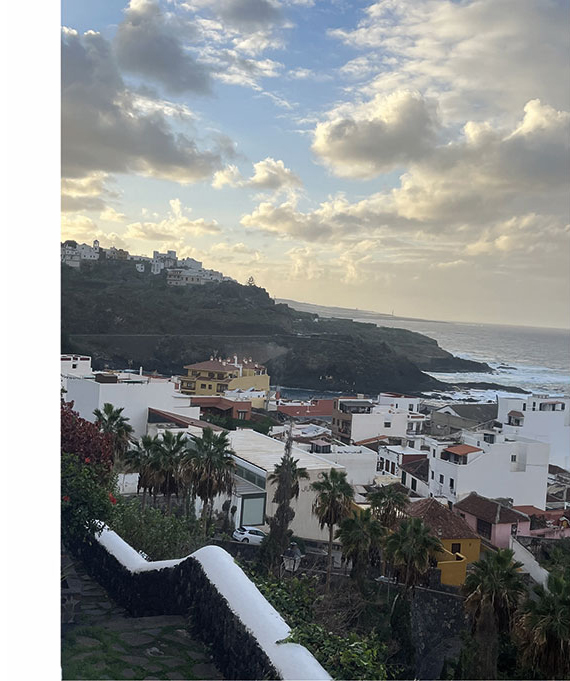
Garachico is often mentioned as one of the best Canarian places in Tenerife to visit and it doesn’t disappoint. Founded in 1496 by the Genoese tradesman Cristóbal de Ponte, a number of churches and fabulous little palaces were gradually built, which still today preserve their traditional aesthetics.
It’s a hill town and I found that my accommodation was at the top! Although it was a steep 20-minute climb it afforded magnificent views of the main church steeple surrounded by the orange tiled whitewashed buildings and the ocean-swept rocky island opposite.
Garachico, while beautiful, is known as ‘the unlucky’ town. It was once the main trading port of Tenerife and destined to be a highly important port city. But a volcanic eruption in 1706 covered the town in volcanic ash and lava and if that wasn’t bad enough it had a major locust plague, fires and floods.
In reality it probably helped the town not to become a major city – and the volcanic lava created fabulous rock pools that attract day visitors from around the world. And when the day visitors have gone home in the evening it becomes a beautiful quiet Spanish jewel.
 Recommendations:
- Best Beach: Sotavento Beach, Fuerteventura.
- Best Accommodation experience: VistalRoque, Vento, Tenerife mountains.
- Best Spanish Town: Garachico, Tenerife and Betancuria, Fuerteventura.
- Best Spanish City: Las Palmas, Gran Canaria.
- Best tourist area: Costa Adeje, Tenerife.
- For help with knees & back pain and sunburn: Aloe vera.
All accommodation was booked on the road and via booking.com and Airbnb. Average price £50-£100 per night for 1/2 bedrooms.
Top tip: Take the bus and ferries to different Islands.
#HolidayInspiration2024 #WhereToTravelIn2024 #CanaryIslands #IndexDigital