





Hard Water and Your Skin: What Kent and Sussex Residents Should Know
GUEST POST.
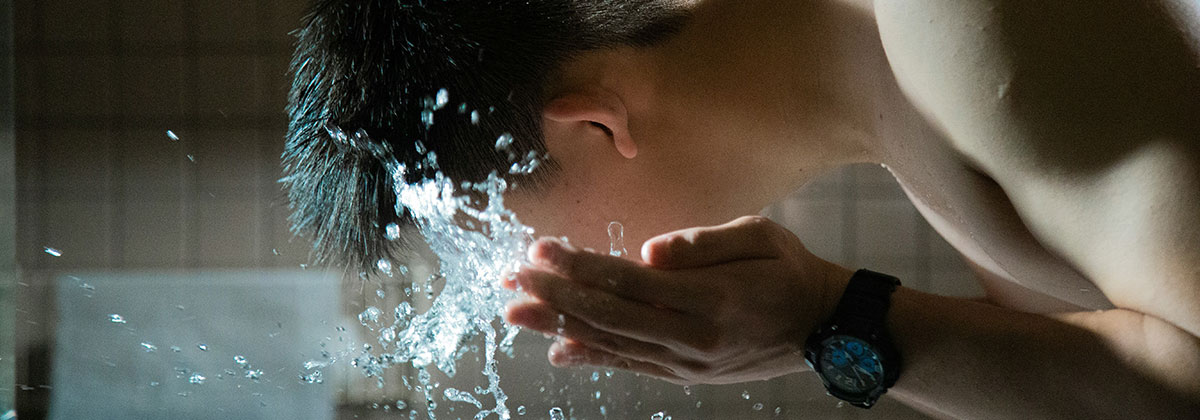
Image Photo by Muyuan Ma on Unsplash
Does your skin feel tight after washing your face, even when you're using a cleanser described as gentle? The product may be one factor, but your tap water could also play a part.
Hard water is common in parts of Kent and Sussex. It's safe for everyday washing, yet research suggests it can affect how certain cleansing ingredients interact with skin. Addressing the problem doesn't necessarily mean buying more products. It may simply involve a few considered changes to how you cleanse and moisturise.
Is Hard Water Common in Kent and Sussex?
Hard water contains higher levels of dissolved minerals, mainly calcium and magnesium. These enter the water as it passes through chalk and limestone underground.
According to South East Water's water hardness guidance, much of its supply in southern England comes from chalk aquifers, making the water hard. Conditions aren't identical everywhere, though. Homes across Kent and Sussex may have different suppliers and levels of hardness, even within the same county.
If South East Water supplies your home, its postcode checker provides local information. Otherwise, check with your own water supplier. The term hard describes mineral content, not whether the water is clean or safe to use.
Why Can Hard Water Leave Skin Feeling Tight?
Facial cleansers contain washing agents called surfactants, which help remove oil, sunscreen and dirt. However, some of these ingredients can leave more residue on the skin when washed off with hard water.
A study published in the Journal of Investigative Dermatology examined this relationship in 80 participants. Researchers found that washing with hard water left more residue from sodium lauryl sulfate (SLS), a common cleansing ingredient, contributing to increased moisture loss and irritation. The effects were particularly noticeable among participants with eczema and certain skin barrier vulnerabilities.
The skin barrier helps retain moisture and protect against irritants. When it's compromised, skin may feel dry, tight or uncomfortable.
That doesn't mean every cleanser behaves the same way, or that hard water is responsible for every case of irritated skin. Hot water, frequent washing and strong exfoliating products can also contribute.
Ultimately, hard water may make dryness and irritation more likely for some people, particularly when combined with a cleanser that doesn't suit their skin.
Building a Gentler Routine With Korean Skincare
If your skin regularly feels uncomfortable after washing, your cleanser is a sensible place to start.
When comparing Korean skincare products, look for gentle facial cleansers that remove daily build-up without leaving your skin feeling stripped. A mild gel or cream cleanser may be worth trying. Don't rely solely on claims such as 'low pH' or 'suitable for sensitive skin'; the complete formulation and how your skin responds matter more.
Follow cleansing with a moisturiser. Ingredients such as glycerin help attract water, while ceramides and panthenol are common in formulas intended to support the skin barrier. You don't need a toner and serum as well if your moisturiser is already doing the job.
For an additional hydrating step, Centella asiatica skincare offers options such as creams and serums formulated to support hydration and skin comfort. Centella is commonly used in Korean beauty for its soothing properties, although the full formulation and individual skin tolerance matter more than any single ingredient.
These products won't soften tap water. Their purpose is to help keep your everyday routine comfortable.
How to Make Cleansing More Comfortable
A few adjustments are worth trying before replacing your entire skincare routine:
- Keep water lukewarm: Very hot water may aggravate dryness, particularly if your skin already feels tight after washing. Comfortable, lukewarm water is enough.
- Don't cleanse twice out of habit: If one gentle wash effectively removes your makeup and sunscreen, a second cleanse may be unnecessary. Some people also find that a water-only rinse works well in the morning.
- Moisturise soon afterwards: Pat your face gently rather than rubbing with a towel, then apply moisturiser while the skin is still slightly damp to help retain moisture.
- Check for other irritants: New exfoliating acids, fragranced products or frequent scrubbing may be contributing to discomfort. Change one part of your routine at a time so it's easier to judge what helps.
If redness, cracking or stinging persists, ask a pharmacist or GP for advice rather than continually experimenting with new products.
Living in a hard-water area doesn't mean your skin needs an elaborate routine. If washing regularly leaves your face uncomfortable, checking your local water hardness and reviewing your cleanser are sensible first steps. A gentler approach may be all that's needed to make your daily routine more comfortable.
This is a guest post and therefore these are not necessarily the views of INDEX Digital. The mention of Korean Skincare and website link in this article is for informational purposes only and does not constitute an endorsement or recommendation of their products or services.
#HardWaterTips #SkincareAdvice #IndexDigital