



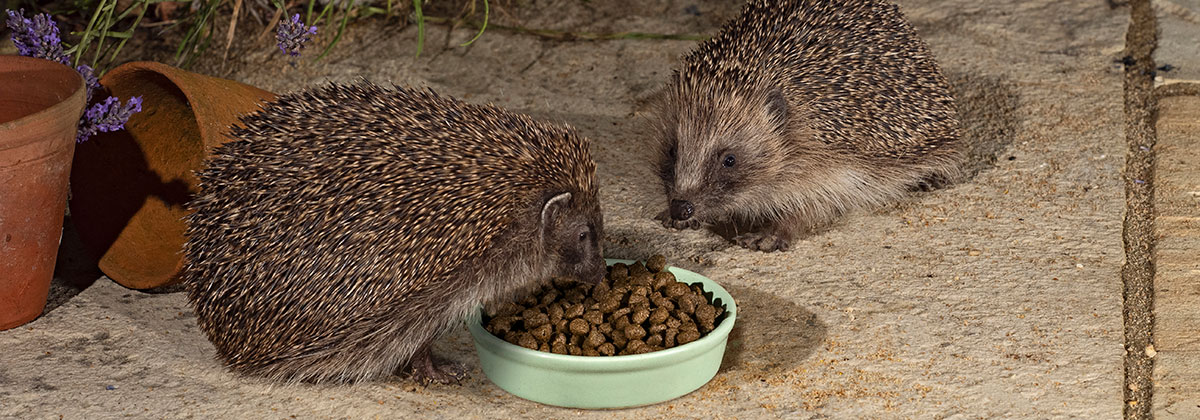
Experts Warn Public Not To Pick Up Hedgehogs
Stress found to be ‘one of the leading causes of wildlife mortality’, as spring sees more animals out of hibernation. Plus top tips to create a hedgehog friendly garden.
Experts at a leading wildlife charity are urging the public to not interfere with hedgehogs unless they are obviously sick, injured or orphaned, as stress can greatly impact their chances of survival.
As the spring season begins, the traditional winter hibernation for Britain’s prickly friends comes to an official end, with more hedgehogs being spotted in wild areas and gardens around the country.
In recent years, hedgehog populations across the UK have been in sharp decline. According to the People’s Trust for Endangered Species (PTES), hedgehog numbers have dropped by over 50% in rural areas and up to 30% in urban environments over the past two decades.
This dramatic fall is primarily attributed to habitat loss, but rising stress due to human interaction could also be a factor.
As hedgehogs begin to appear more frequently in gardens and wild spaces after their hibernation, Vale Wildlife Hospital in Gloucestershire is urging well-meaning members of the public to leave hedgehogs undisturbed whenever possible. If there are any concerns about a hedgehog, advice should be sought from a reputable rescue before intervening.
"While it’s natural to want to help, picking up hedgehogs can cause them considerable stress, which can impact their overall health," explains Caroline Gould Vale Wildlife Hospital founder. "Hedgehogs may be seen out during the day at certain times of the year, and some may hibernate in unusual patterns. The best thing people can do is ensure they have the right food and water and only intervene if they’re clearly in danger or injured."

At Vale Wildlife Hospital, hedgehogs are increasingly the most common patients brought in by concerned members of the public, often due to outdated myths. One common misconception is that hedgehogs seen outside during the day at any time of the year need to be rescued.
However, experts at Vale stress that hedgehogs are nocturnal animals, but they are not strictly bound to a nocturnal schedule. They may forage during the day in certain circumstances, particularly when food is scarce or when they are preparing for hibernation and female hedgehogs may be seen out during the day when collecting nesting material during the breeding season.
In response to common myths on hedgehog care, and during Hedgehog Awareness Week, Vale launched their ‘Happy Hedgehogs, Healthy Gardens’ campaign for Vale’s Hedgehog Food. They’re encouraging members of the public to keep areas of their garden hedgehog-friendly, all while helping to nurture their outside space with limited mowing and pesticide use, as well as additional crawl spaces. Gardeners can also ensure any neighbourhood hedgehogs have the best chance of survival with supplementary food, to support any shortages in their natural diet.
Feeding hedgehogs the right supplementary food is crucial. Vale’s Hedgehog Food is designed to help hedgehogs thrive, providing the essential nutrients that may be in limited supply in their natural diet, especially during the colder months when insect populations are dwindling. A bowl of water alongside this specially designed food can help give hedgehogs everything they need to stay healthy.
Vale Wildlife Hospital is leading the way in educating the public on how to create the best natural environment for supporting hedgehogs and other wildlife. "We all have a role to play in ensuring these brilliant creatures don’t become a distant memory. By leaving hedgehogs undisturbed, providing them with supplementary food and sharing the right knowledge, we can all help keep hedgehog numbers stable and even improve their chances of survival in the wild," Gould adds.
Learn more about Vale’s Hedgehog Food at valeshedgehogfood.com, and find out how you can help keep hungry hedgehogs thriving.

5 Ways To Create A Hedgehog Friendly Garden
The wildlife experts from Pet Range have shared five simple yet effective ways to transform your garden into a hedgehog-friendly haven.
Let them in with a hedgehog highway
When hedgehogs face barriers to their movement, they may find it harder to access food and shelter. A good way to mitigate this is to create what’s known as a “hedgehog highway”, which allows these creatures to easily navigate urban and suburban landscapes. A hedgehog highway comprises of a series of small openings or tunnels in fences that allow hedgehogs to roam freely between gardens. By creating these passageways, you're essentially opening up your garden to the wider ecosystem, enabling hedgehogs to explore and forage without hindrance.
To allow the animals to travel through your garden, simply cut a hole in the bottom of your fence. The hole doesn’t have to be big at all – a 13cm by 13cm size gap is ideal as this gives hedgehogs ample space to pass through while keeping your pets in (or your neighbour’s pets out!). If you want to go a step further, you can even install a purpose-built hedgehog tunnel for easy access. And to make sure the hedgehogs have as much space as possible, try to get the neighbours involved to extend the hedgehog highway even further. Of course, always make sure to ask your neighbours for permission before cutting a hole if you share a fence, even if it is legally yours.
Leave food out
In the wild, hedgehogs are omnivores, feasting on a diet of insects, slugs, worms and even small vertebrates. However, urbanisation and changes in garden wildlife have led to a decline in natural food sources for hedgehogs, making it challenging for them to find sustenance. The good news is that as a responsible garden owner, you can easily lend a helping hand by leaving out suitable food and water for these prickly visitors.

Specialised hedgehog food, available from some pet food retailers, is an excellent choice for providing hedgehogs with a nutritious meal. Alternatively, if you’re a pet owner you can also offer them some of your pet’s wet meat-based cat or dog food, as well as dry cat food. Remember to place food and water in shallow dishes and avoid leaving out milk, which contrary to popular belief can be harmful to hedgehogs as they lactose intolerant (Hedgehog Street). The best time to leave food out is around dusk, as this is the time they usually start searching for food.
Create a wild space
While many of us enjoy having a perfectly manicured garden, hedgehogs are quite the opposite. These animals prefer things more natural, thriving in wild, untamed areas where they can forage for food and find shelter. By incorporating wild spaces into your garden design, you can create a haven for hedgehogs. Plus, an untamed garden area can have benefits for even more animals, such as frogs who thrive in the long grass and bees who get essential nutrients from wildflowers.
You don’t need to let your garden become overrun if you prefer a tidier look, and simply dedicating one small wild corner will be enough to let wildlife thrive. Let the grass grow longer, allow plants to grow naturally, and avoid using pesticides and herbicides that can harm hedgehogs and their prey. By letting nature take its course, you'll create a vibrant ecosystem where hedgehogs can thrive alongside other wildlife.
Create a hedgehog home
When they aren’t out foraging for food, hedgehogs need a cosy place to call home. Building or buying a hedgehog house is a simple yet effective way to provide these creatures with the shelter they need to survive. And the good news is that making your own home for these animals is relatively straightforward.
You can easily make a hedgehog house using a wooden box filled with dry leaves, straw, or shredded newspaper. Position it in a quiet, sheltered spot, preferably hidden beneath foliage or bushes, and ensure that the entrance is wide enough for a hedgehog to squeeze through but not large enough for predators to enter. By providing hedgehogs with a safe and snug home, you're giving them the best chance of thriving in your garden.
YOU MIGHT ALSO LIKE: Enhancing Your Garden's Atmosphere with Stylish Outdoor Lighting Solutions
Keep them safe
You may think that your garden is a safer space for hedgehogs than the wild, but there are actually a number of potential hazards to be aware of. A few risky areas that can easily be made safer include:
- Drains: It’s easy for hedgehogs to get stuck in drains as they aren’t the best climbers. You can easily fix this issue by covering any uncovered drains with a mesh guard.
- Ponds: While hedgehogs can swim, they may struggle to get out of a particularly steep pond. Simply invest in a small ramp to mitigate this risk.
- Leaf piles: Hedgehogs often hide in leaf piles for shelter and warmth. If you plan on making a bonfire with a leaf pile, it’s best to gather the leaves just before you start the bonfire so animals don’t have time to sneak in. You should always check for wildlife just before you start your bonfire to ensure no creatures have made their way into the pile.
- Long grass and hedges: When doing the gardening work, make sure there aren’t any hedgehogs hiding in long grass or hedges before using equipment like strimmers and lawnmowers.
If you have dogs, you should also ensure that they stay away from hedgehogs to keep both animals safe. The good news is that as hedgehogs are nocturnal, your pet likely won’t see them during the day. If you take your dog out in the garden at night, consider keeping them on a lead if they are particularly inquisitive, or take them out in your front garden, instead.
If you do put food out for your hedgehogs, leave it in an area of your garden where your dog doesn’t usually go, such as a small corner of the garden they might find difficult to get into. Fortunately for cat owners, felines rarely show any interest in hedgehogs so your pet will likely stay away and not cause any trouble.
#HedgehogHavens #HedgehogFriendlyGarden #IndexDigital