


How UK Homes Are Evolving to Support Real Daily Life
GUEST POST.
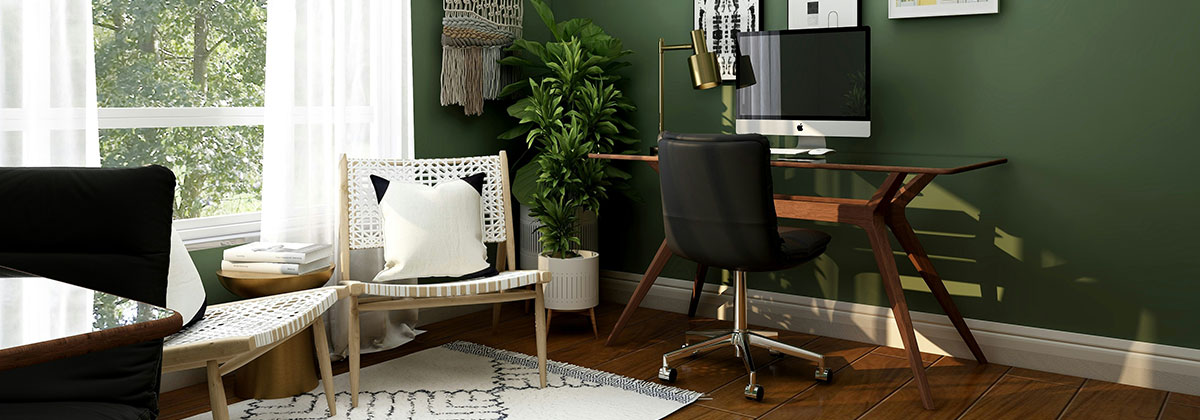
Image Photo by Collov Home Design on Unsplash
A lot has changed in the way Brits go about their lives over the past decade. Hybrid working has reshaped routines, making commuting patterns more flexible, so many people now treat their homes as a second office. Rather than simply being places to sleep and eat, homes have become offices, classrooms, gyms and sanctuaries all at once.
Lifestyle shifts are influencing personal choices about where and how people live. Buyers are increasingly prioritising adaptability and efficiency over sheer size or postcode prestige alone. In response, many modern developments and new build homes are being designed around realistic daily routines, focusing on spaces that flex with changing needs rather than fixed, single-purpose rooms.
Flexible Spaces That Fit Your Routine
One of the clearest changes in UK housing design is the move towards multifunctional spaces. With hybrid working now the norm across many sectors, spare rooms are no longer just guest bedrooms. Instead, they're expected to serve multiple roles without compromising comfort.
A second bedroom can function as a workspace during the week and a restful guest room at weekends. Thoughtful layouts - such as built-in desks with concealed storage and neutral colour schemes - allow the room to shift purpose easily. The flexibility reduces daily stress by eliminating the need to constantly rearrange furniture or work in unsuitable spaces, such as kitchens or bedrooms.
Open-plan living areas are also being designed with zoning in mind. Rather than vast, undefined rooms, developers are creating subtle divisions using lighting or partial walls. It helps households balance togetherness with privacy, making it easier to work and socialise under one roof.
Comfort‑Led Design That Works Harder
Natural light, good insulation, smart devices, and practical storage solutions play a major role in how well a home supports everyday life. Bright interiors improve mood and focus, and well-insulated homes are warmer in winter and less stifling in the summer, lowering energy bills and boosting comfort year-round.
Storage is another area where design is evolving. Instead of relying on freestanding furniture, many homes now incorporate built-in solutions that reduce clutter without sacrificing living space. A hallway cupboard for coats and shoes, or fitted wardrobes in bedrooms, can significantly cut down the time spent tidying and reorganising.
These features are particularly valuable in urban settings (where space is at a premium), but they also benefit suburban homes by making daily routines smoother and more predictable.
Planning for Long‑Term, Real‑Life Needs
Looking beyond immediate convenience, British homeowners are also thinking more carefully about long-term needs. Energy efficiency, transport links, access to local green spaces, and running costs are now central considerations, rather than afterthoughts. Homes that are cheaper to run and easier to adapt over time are increasingly attractive as households become more cost-conscious and environmentally aware.
A valuable exercise for anyone considering a move is to track their weekly habits. How much time is spent working from home? Which rooms feel underused or overcrowded? Understanding these patterns helps identify what features genuinely add value to daily life.
Many developers are responding by designing new-build homes around realistic living patterns rather than idealised lifestyles. Some modern developments, such as those at Verdica Camden by Countryside Homes, reflect this shift by prioritising energy-efficient adaptable layouts and access to transport and green space, all factors that support everyday living rather than occasional use.
This is a guest post and therefore these are not necessarily the views of Index Digital.
#FlexibleInteriors #HybridWorking #IndexDigital