





Behaviour Expert Reveals The Rule For Helping Dogs Settle Into A New Home
Years expert warns moving house can trigger anxiety in dogs, from barking and clinginess to toileting accidents and struggling to settle.
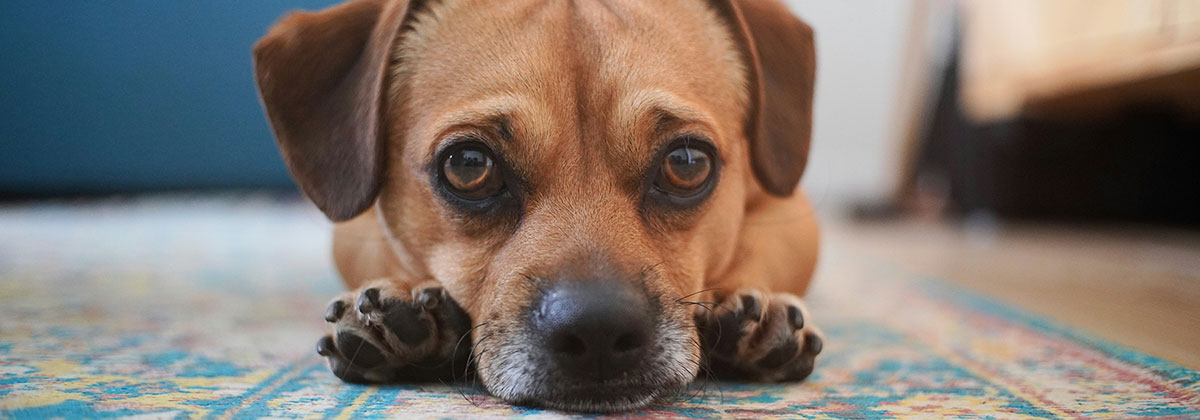
Image Photo by Tomas Bankauskas on Unsplash
Dog owners are being urged to think about how moving home affects their pet’s behaviour, as experts warn the first few weeks in a new property can shape how secure a dog feels in the weeks that follow.
The advice comes as private renters in England got stronger rights from 1 May 2026 to request keeping a pet in their home, with landlords unable to unreasonably refuse. But Jo Hinds, COAPE-certified behaviourist and Dynamic Dog Practitioner at Years, says the issue goes beyond renting.
Whether a dog is moving into a rented flat, a new family home, a smaller property, a busier street or a house with unfamiliar smells and sounds, the move can be a major adjustment.
Jo says: “Moving home is a huge change for a dog. They are suddenly dealing with new smells, new sounds, different entrances, unfamiliar neighbours, new walking routes and a completely different routine. The first few weeks should be about helping the dog feel safe, not expecting them to behave perfectly straight away.”

Why moving house can affect a dog’s behaviour
Dogs rely heavily on scent, routine and predictability. When those change suddenly, some dogs may become more alert, clingy, unsettled and might startle and react to things that they wouldn’t normally.
Jo explains: “A dog who was calm in their previous home may suddenly bark more, follow their owner from room to room or struggle to settle. That does not mean they have become badly behaved. It means their environment has changed, and they are trying to work out what feels safe.”
|
New home trigger |
Why it can affect dogs |
What owners can do |
|
New smells |
Dogs use scent to understand their environment |
Bring familiar bedding, toys and blankets from the old home have them located in the house first before bringing in the dog |
|
Unfamiliar noises |
Neighbours, traffic, doors, lifts or appliances can put dogs on alert |
Give them a quiet space away from the busiest part of the home and use privacy film for windows that look out on to the street |
|
Different entrances |
New front doors, hallways or stairwells can feel unpredictable |
Keep arrivals and exits calm, having the dog somewhere they do not feel headed at when people come through with no rushed greetings |
|
New walking routes |
Dogs may feel overstimulated by unfamiliar streets, dogs or traffic |
Keep early walks short, slow, calm and predictable sticking to the same route that helps them relax and explore |
|
Changed sleeping area |
A new sleep setup can make dogs less settled at night |
Keep their bed, crate or rest area as familiar as possible |
|
No garden or different outdoor access |
Toileting routines may change overnight |
Take them out more often at first and reward toileting in the right place, focus on short toilet break walks and then one main walk |
|
More visitors after the move |
Guests can overwhelm a dog before they have settled |
Delay visitors for a few days where possible |
The first 7 days rule for helping dogs settle
Jo recommends treating the first week as a settling-in period, rather than rushing into visitors, long absences or normal expectation after this period continue to go slowly until your dog is comfortable.
|
Day |
What to focus on |
Why it matters |
|
Day 1 |
Set up a safe space first |
Gives your dog somewhere predictable to retreat |
|
Day 2 |
Keep meals, walks and rest times simple |
Routine helps create security keep you routine the same where possible |
|
Day 3 |
Let them explore gradually |
Too much access too soon can feel overwhelming |
|
Day 4 |
Practise short, calm separations |
Helps prevent panic when owners leave |
|
Day 5 |
Avoid too many visitors |
Gives the dog time to settle before social pressure is added |
|
Day 6 |
Build a toileting routine |
Helps prevent accidents if outdoor access has changed reward for where you would like them to go |
|
Day 7 |
Review behaviour patterns |
Spot whether barking, pacing or clinginess needs extra support |
Behaviour signs owners should watch after moving home
Some disruption is normal after a move, but owners should not ignore signs their dog is struggling.
These can include:
- Barking at new noises
- Pacing between rooms
- Following owners constantly
- Refusing to settle
- Toileting accidents
- Scratching at doors
- Whining when left alone
- Hiding or retreating
- Loss of appetite
- Being startled by stairs, lifts, doors or neighbours
- Reacting more on walks
Jo says: “Dogs need time to map a new home. They need to work out where they sleep, where they eat, where they toilet, what noises are normal and where they can go when they need space. If owners move in and immediately expect the dog to cope with everything, that can create stress very quickly.”
The mistake owners make when moving with dogs
According to Jo, one of the biggest mistakes is assuming a dog will settle immediately because they were confident in the previous home. She explains: “Owners often say, ‘They were fine in our last house’, but dogs do not experience a move in the same way we do. For them, it is not just a new address. It is a completely new sensory world. The smell of the rooms, the sound of the street, the layout, the doors, the garden, the neighbours and the walking routes are all different.”
YOU MIGHT ALSO LIKE: New Study Reveals The True Cost Of Pet Ownership In The UK
Jo Hinds’ advice for helping dogs settle into a new home
Keep familiar items
Do not wash every blanket, bed or toy before the move. Familiar scent can help dogs feel safer.
Set up their space first
Before unpacking everything else, create a calm area where your dog can rest.
Avoid big expectations in week one
Your dog may be more clingy, alert or unsettled at first.
Keep walks simple
Do not try to explore every new park and route immediately. Let your dog adjust gradually.
Limit visitors
Give your dog time to settle before inviting friends, family or neighbours over.
Practise leaving calmly
Start with very short separations before leaving your dog for longer periods.
Watch for patterns
If barking happens at the front door, at night, near windows or when left alone, adjust the environment rather than correcting it, anger can make barking worse.
Speak to neighbours
Let nearby neighbours know your dog is adjusting to the move and may need a little time to settle as everything is new.
Jo Hinds, COAPE-certified behaviourist and Dynamic Dog Practitioner at Years, says: “Moving home can be exciting for owners, but for dogs it can feel very unsettling. They do not understand that this is their new home straight away. They only know that everything familiar has changed, from the smell of the rooms to the sounds outside the door.
"The first few weeks are where owners can either build security or accidentally add pressure. Keep things calm, predictable and manageable. Do not rush visitors, long absences or too many new experiences at once. If your dog barks at new noises, follows you from room to room, struggles to settle or has an accident indoors, they are not being difficult. They are giving you information.
"My advice is to prepare for the dog you actually have, not the dog you hope they will be. Think about their temperament, their triggers and the home they are moving into. That is what helps dogs settle and feel safe.”
This commentary was provided by Years.
#PetAdvice #FamilyMattersKent #IndexDigital