






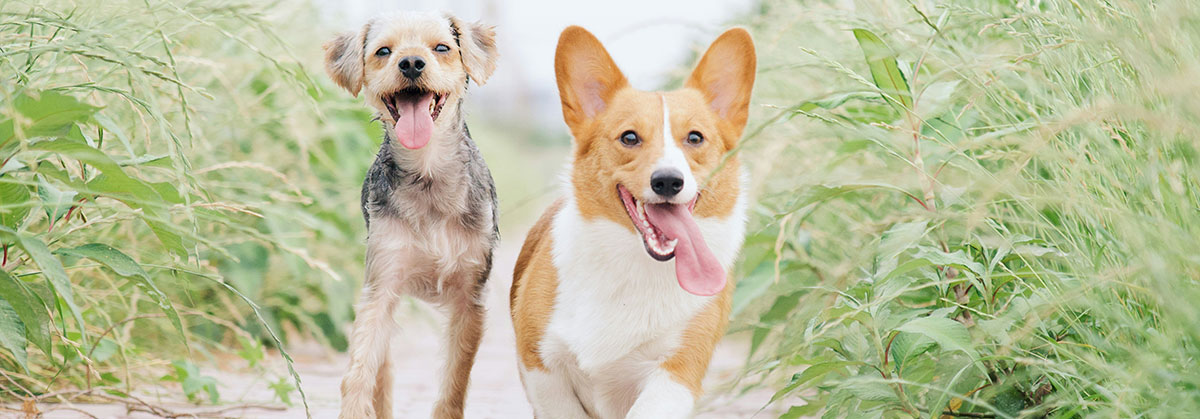
Expert Reveals the Real Reason Dogs Get 'Zoomies'
With children having just been off school for half term, households across the UK were suddenly louder, busier and less predictable. While families may welcome the break in routine, experts warn that dogs often experience this shift very differently, and subtle behaviour changes during school holidays are frequently misunderstood.
Image Photo by Alvan Nee on Unsplash
From tail wagging to so-called “guilty looks”, many of the behaviours dog owners think they understand are routinely misread, and those misunderstandings could be quietly affecting dogs’ stress levels, feeding habits and long-term wellbeing, according to experts at Years, a UK-based dog food brand specialising in personalised nutrition developed by vets, nutritionists and canine behaviour experts.
“Dogs communicate constantly through body language and behaviour, but humans often interpret those signals through their own emotions, rather than those of the dog,” says Alyssa Ralph, a canine behaviour and nutrition expert at Years. “What looks cute, naughty or attention-seeking is often a dog trying to regulate stress, diffuse a difficult situation or respond to changes in their environment.”

Half term can bring later mornings, different walk times, more visitors, increased noise and children wanting constant interaction, all of which represent routine disruption from a dog’s perspective.
Years' expert panel says these everyday misunderstandings don’t just affect training or behaviour, they can influence appetite, digestion and feeding routines, too.
The Dog Behaviours Owners Most Commonly Misinterpret
Tail wagging always means happiness
A wagging tail doesn’t automatically signal joy. The height, speed and stiffness of the wag matter. A fast, rigid wag held high can indicate alertness or anxiety rather than excitement – something owners frequently overlook.
Clinginess means neediness or bad habits
Dogs that lean on owners, follow them closely or seek frequent contact are often responding to uncertainty, routine changes or feelings of insecurity. According to Years.com experts, this behaviour is linked to emotional regulation, not dominance or spoiling. During school holidays, increased household activity can heighten this response.
The head tilt is just a ‘cute reaction’
That familiar head tilt is a dog actively trying to process sound and facial cues. “Dogs tilt their heads to better understand us and triangulate where sounds are coming from,” explains Alyssa. “It’s a sign of engagement, communication and information-gathering, not confusion.”
Zoomies are random hyperactivity
Sudden bursts of energy – often after baths, walks or periods of restraint – are a recognised stress-release behaviour. They help dogs reset after emotional or sensory overload. During half term, overstimulation from constant play or noise can increase the likelihood of these episodes.
YOU MIGHT ALSO LIKE: Essential Tips For Stress-Free Family Travel With Pets
A ‘guilty look’ means they know they’ve done wrong
As far as we know, dogs don’t experience guilt in the human sense. What owners interpret as shame is usually appeasement behaviour – a response to tone of voice, posture or perceived tension rather than an understanding of wrongdoing. The ‘guilty’ look is usually an attempt to diffuse any of that tension.
Why Behaviour Misunderstandings Can Affect Diet and Health
Alyssa Ralph, a canine behaviour and nutrition expert at Years says behaviour and nutrition are closely linked, and misreading signals can lead to feeding issues.
“A dog that’s stressed or overstimulated may eat too quickly, avoid food altogether, or show inconsistent hunger cues,” says Alyssa. “When behaviour is misunderstood, owners often adjust food unnecessarily, rather than addressing the underlying cause.”
Half term can mean children offering extra treats, altered mealtimes or more distraction around feeding areas, all of which can disrupt a dog’s normal eating rhythm.
This connection between behaviour, routine and nutrition underpins Years.com’s personalised approach to dog food, which takes into account not just age and breed, but lifestyle, environment and emotional wellbeing.
Expert Advice for Dog Owners During School Holidays
The Years pet panel recommends:
-
Looking at behaviour patterns over time, not isolated incidents
-
Considering recent changes in routine or environment before labelling behaviour as ‘bad’
-
Maintaining consistent feeding times where possible, even during holidays
-
Treating appetite changes as communication signals, not stubbornness
-
Seeking advice from qualified vets or behaviourists rather than relying on assumptions
“Dogs are incredibly expressive,” adds Alyssa. “When owners learn to read the signs properly, it reduces stress, strengthens trust and supports better long-term health.”
Article by Alyssa Ralph, canine behaviour and nutrition expert at Years, visit years.com/pages/pet-panel
#DogAdvice #FamilyMattersKent #IndexDigital