







Why Couples Are Rethinking Sharing A Duvet
For years, sharing a bed has come with an unspoken assumption: one mattress, one duvet, one way of sleeping. But in 2026, that idea is quietly being dismantled – not in the name of relationship distance, but in pursuit of better sleep.
It’s a trend that furniture specialists Arighi Bianchi had already tipped as one to watch, but it’s reporting that ‘the decline of sharing a duvet – and even a bed’ hit a peak in January according to its bedding sale data.
Commenting on the movement, Lucy Mather, interiors expert at Arighi Bianchi, said: “Across the UK, couples are questioning whether sharing a duvet actually makes sense at all. And for many, the answer is increasingly no.
“Sleep is no longer one-size-fits-all. We now personalise almost every aspect of our wellbeing. We track steps, heart rate and stress. We tailor diets, workouts and work schedules. Until recently, sleep remained oddly traditional – especially for couples. That’s changing and we’re seeing a significant shift in bed and bedding purchasing.

“Sleep tracking apps, smart beds and adjustable bases have made people more aware of how differently they sleep from their partners. Differences in temperature preference, movement, wake patterns and comfort needs are no longer abstract; they’re measurable.
“Once couples can see that they genuinely sleep better under different conditions, it becomes harder to ignore. The result is a growing willingness to redesign sleep setups to suit individuals – even when sharing the same bed.”
Lucy adds: “Couples are becoming more open about sleep needs without attaching judgement to them. Wanting different bedding or a different setup is no longer seen as a failure to compromise – it’s increasingly viewed as a way of caring for each other better.
“This shift reflects a broader cultural move away from performative togetherness and towards practical wellbeing. Being a good partner no longer means suffering through poor sleep in silence.”
The problem with the “double duvet”
Anyone who shares a bed will recognise the familiar night-time negotiations. One person overheats, the other freezes. One tosses and turns, the other lies rigidly still. The duvet is pulled, twisted, kicked off, dragged back again – often multiple times a night.
For decades, this has been accepted as part of cohabiting. Mildly irritating, vaguely funny, but ultimately unavoidable. What’s changed is the growing recognition that these small disruptions add up. Poor sleep doesn’t just affect energy levels; it impacts mood, concentration, health and, inevitably, relationships.
As sleep science becomes more mainstream and people pay closer attention to how well they rest, the “just put up with it” approach is losing favour.
YOU MIGHT ALSO LIKE: The Psychology Of Making Your Bed
The Scandinavian approach Britain is warming to
In countries such as Norway and Sweden, couples using two single duvets on a double bed has long been the norm. It’s not a lifestyle statement or a relationship trend – it’s simply practical. Each person controls their own warmth, weight and movement, without disturbing the other.
In the UK, this approach has traditionally been viewed as unusual or even unromantic. But attitudes are shifting. What once felt like a sign of separation is increasingly seen as a low-key compromise: still sharing a bed, still close, but without nightly battles over bedding.
Rather than symbolising distance, separate duvets are becoming shorthand for consideration.
Is this a “sleep divorce”?
Lucy comments: “The phrase “sleep divorce” has done the rounds for years, often framed as shocking or faintly scandalous. But that framing feels increasingly outdated.
“Separate duvets – even separate beds next to each other – aren’t about sleeping apart; they’re about sleeping better together. For many couples, they act as a halfway house – a small adjustment that preserves closeness while reducing disruption.
“In fact, for some, these changes may prevent a full sleep split later on. By addressing issues early, couples can improve rest without resorting to separate bedrooms.”
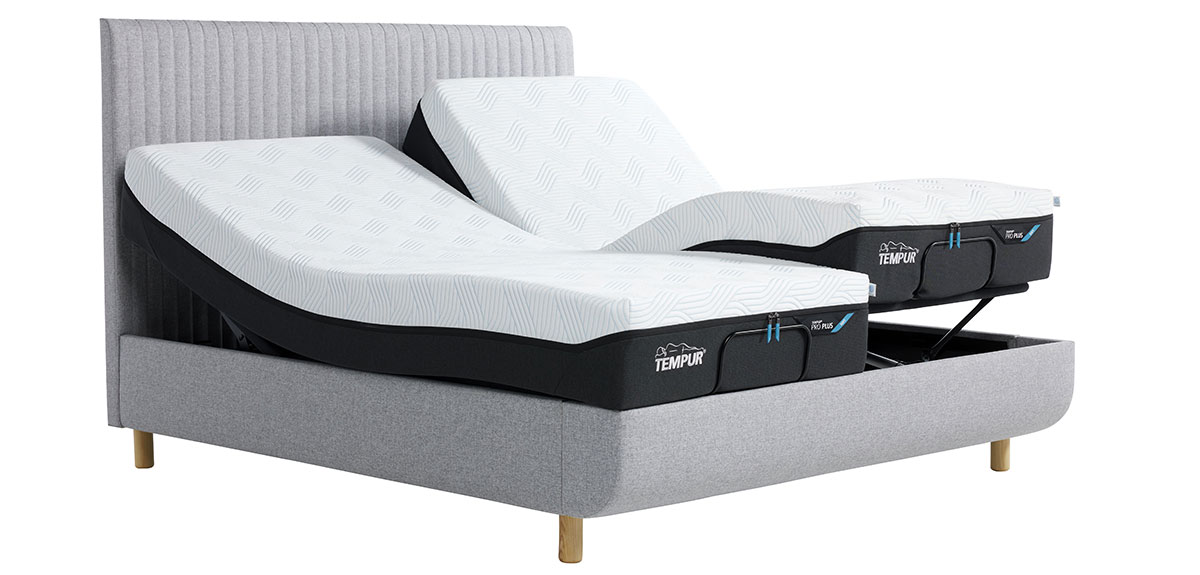
TEMPUR® Ergo Smart Base Bed, £6,265 at Arighi Bianchi
The bedding industry is switching on with the launch of exciting new products
The rise of adjustable beds and smart sleep technology has accelerated this shift. Features that allow each side of the bed to respond differently – adjusting position, firmness or temperature – reinforce the idea that shared sleep doesn’t have to mean identical sleep.
What this technology has really done is validate lived experience. When data confirms that one partner sleeps more lightly, wakes more often or runs hotter, personalisation feels less like a preference and more like common sense.
Separate duvets, split mattresses and adjustable bases all stem from the same realisation: comfort isn’t universal.
The all-new TEMPUR Ergo™ Smart Base utilises integrated Sleeptracker®-AI sensors (without microphones) to detect you and your partner’s micro-vibrations from snoring. If snoring is detected, the bed automatically responds, elevating your upper body 12 degrees – a position to help reduce snoring. The TEMPUR Ergo™ Smart Base also provides personalised insights based on your sleep with customised coaching in an easy-to-use app.
“There’s nothing dramatic about swapping one duvet for two”, adds Lucy. “No grand declaration, no redesign of the bedroom, no major lifestyle overhaul. And that’s exactly why it’s resonating.
“In 2026, wellness changes don’t have to be loud to be meaningful. Sometimes, they’re as simple as acknowledging that two people don’t need to sleep the same way to sleep well together.
“As couples continue to rethink how their homes support their wellbeing, the shared duvet may quietly join the list of traditions that no longer serve modern life. And for many, that small change could make a surprisingly big difference by morning.”
#BetterSleep #SeparateDuvets #IndexDigital