



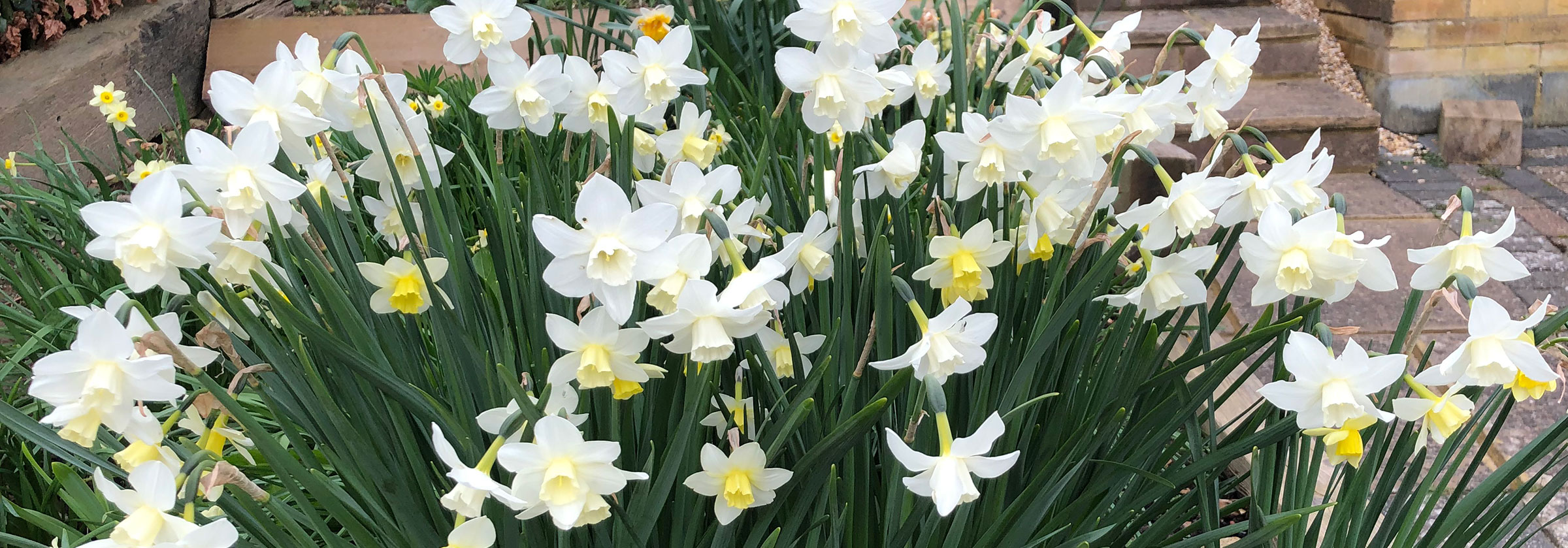
10 Steps to Prep Your Garden This Spring
Spring is well and truly upon us, which means it's time to dust off your gardening gloves and breathe new life into your outdoor sanctuary.
Images Index Digital

From clearing away debris to prepping your soil for planting, here are some essential tips to help you prep your garden in time for the most vibrant season of the year.
1. Assess the damage and clear away debris
Before diving into cleanup tasks, take a walk around your garden and assess the extent of the winter damage. Look for any broken branches, signs of pest infestations, areas of soil erosion, or damage to structures like fences or trellises. Start by removing any dead leaves, branches, and other debris that may have accumulated over the winter. This will not only tidy up the appearance of your garden but also help prevent pests and diseases from taking hold.
Josh Clarke, founder and MD of Clear it Waste said: “If you’re looking to revive your garden in time for the warmer months, or generally just looking to give your garden some TLC, the first and most important step is to assess the damage and clear the affected areas. If there is a lot of garden waste such as grass cuttings, leaves, flowers and branches to be removed, it’s important to check whether your local council charges a small fee for waste collection, as this varies around the UK. If a lot of garden waste will be disposed of in a short space of time, it may be worth hiring a garden skip or paying a nearby reputable waste collection company to get rid of it on your behalf.
“Alternatively, another way to dispose of your garden waste is reusing and recycling by home composting, using pruned branches to create woodchip mulch and finding usage for logs. This can not only save you money but can also benefit the environment.”
2. Prune and trim
Pruning is essential for maintaining the health and appearance of your plants. Using a pair of sharp pruning shears, trim back any dead or diseased branches on trees, shrubs, and perennials. You should always prune overgrown branches to promote better air circulation and encourage new growth.
3. Divide perennials
Spring is also an ideal time to divide overcrowded perennials to rejuvenate them and promote better flowering. Use a shovel to carefully dig up the clumps of perennials, then gently separate them into smaller sections, making sure each division has roots attached. Replant the divisions in their desired locations, spacing them out appropriately.

4. Inspect for Pests and Diseases
Take the time to inspect your plants for any signs of pest infestations or diseases. Look for chewed leaves, distorted growth, discoloration, or unusual spots. If you notice any problems, take appropriate action, such as removing affected plant parts, applying organic pest controls, or consulting with a gardening expert for advice.
5. Prep the Soil
Prepare your garden beds for planting by loosening the soil with a garden fork or tiller. This helps improve soil structure, drainage, and aeration, which are essential for healthy plant growth. Incorporate organic matter such as compost, aged manure, or organic fertiliser into the soil to replenish nutrients and enhance fertility.
6. Inspect irrigation system
Check your irrigation system for any leaks, clogs, or damaged components. Test each sprinkler head to ensure proper coverage and adjust as needed. Consider installing a rain barrel or drip irrigation system to conserve water and reduce water waste in your garden.
YOU MIGHT ALSO LIKE: Expert Reveals 8 Super Simple And Low Cost Garden Care Hacks
7. Collect rainwater by installing water butts
Despite the spring season being upon us, the UK is expected to see an average of 75 mm of rain throughout the warmer months, making it a sensible choice to harvest rainwater by installing a water butt. Not only is harvesting rainwater an environmentally friendly option, but it has also been found that rainwater is one of the best types of water for Ericaceous plants such as blueberries, camellias and rhododendrons.
8. Maintain fences, trellis and gates
After the frosty winter months, it’s no surprise that our garden furniture may be in need of some TLC. It’s wise to begin with maintenance jobs such as checking gates, trellis and fences for any sign of decay or weather damage. If necessary, replace any broken segments and structures. To remove stubborn grime on wooden surfaces, scrub the surface with a stiff brush. Once the wood is completely dry, apply two coats of stain, paint or wood preservative.
It is important to note however that the Environment Agency (EA) withdrew the Regulatory Position Statement in September last year. This means that ten wood items buildings constructed before 2007 are now classified as types of hazardous waste and therefore wood recyclers won’t accept them unless they’ve undergone appropriate tests to prove they’re not hazardous.
9. Maintain garden furniture
Plastic garden furniture can usually be revived with a good wash from a sponge and soapy water, whereas wooden and timber furniture may require appropriate wood oil to seal and protect it from future damage. For metal furniture however, rust can occur over the colder months. To remove the rust, mix baking soda with water and use a cleaning cloth to apply the solution on the affected surface and leave it for about 15-20 minutes. Once ready to remove, do so using wire wool.
10. Plan and Plant
Finally, take some time to plan out your spring planting scheme. Consider factors such as sunlight exposure, soil conditions, and plant spacing when selecting plants for your garden beds. Start seeds indoors for vegetables and annual flowers, or purchase transplants from a local nursery. Plant cold-hardy vegetables and early blooming flowers directly in the garden once the threat of frost has passed.
• This content was commissioned by the experts at Clear It Waste.
#SpringGardeningTips #JobsToDoInTheGarden #IndexDigital