


Clever Ways to Flood Dark Rooms with Natural Light
GUEST POST.
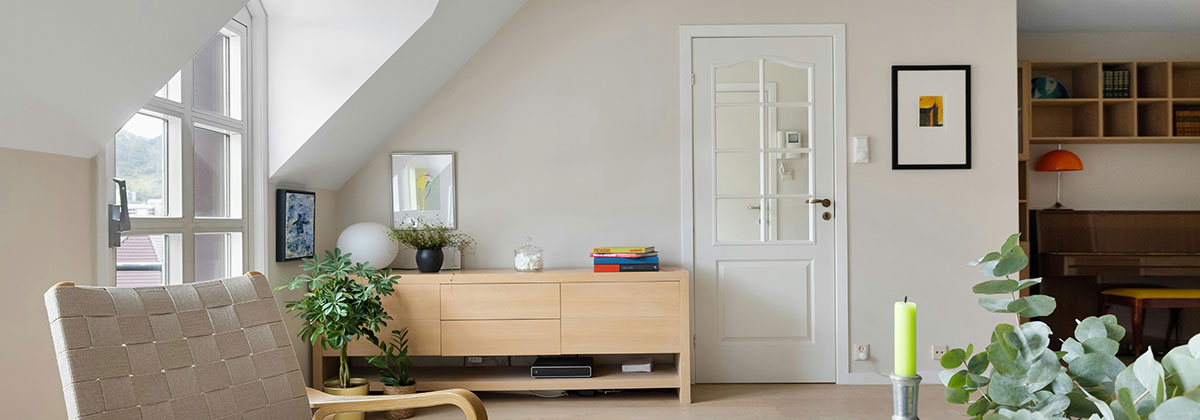
Image Photo by Lisa Anna on Unsplash
Short winter days and traditional UK layouts often leave entire sections of a home feeling dim, enclosed and underused. Older properties in particular rely on narrow windows and deep rooms that block daylight before it reaches the centre of the house. Even well-furnished spaces begin to look smaller when natural light is limited. With the right structural and interior adjustments, these rooms gain clarity, brightness and a sense of ease that transforms everyday living.
Why Dark Rooms Affect the Way a Home Feels
Natural light shapes the atmosphere more deeply than any lamp or décor choice. Studies continue to show that homes with limited daylight feel less inviting and often struggle to achieve their full market value. Estate agents highlight bright rooms because they lift the mood instantly. Buyers respond to that sense of openness, while darker rooms tend to be viewed as colder and less versatile.
A lack of daylight influences daily wellbeing as well. Reduced exposure affects the body’s ability to regulate sleep patterns, produce vitamin D and maintain steady energy levels. People naturally gravitate toward the brightest space they have, leaving dim rooms underused. North-facing living rooms, internal hallways, windowless bathrooms and tight Victorian floor plans often create these persistent pockets of shade that shape how a household moves through the home.
Maximising Light with Modern Architectural Features
Older layouts rarely anticipated how much daylight contemporary families need. Many of the gloomier corners in UK homes sit far from exterior walls, where traditional glazing has little impact. Daylight from side windows fades quickly, leaving shadows in the places people use most. Architectural solutions that draw light from above remain the most effective way to change this.
This is where custom roof lanterns create a visible shift. Raised glazing captures daylight from multiple angles and sends it deeper into the room than vertical windows ever could. The result is top-down illumination that reaches central hallways, kitchen extensions, dining areas and north-facing rooms with ease. By cutting through the darker mid-section of the house, roof lanterns remove the heavy, muted tone that lingers even on brighter days.
The structure also changes the scale of a room. Overhead glass pulls the eye upward, creating a more expansive feel. Light spreads evenly across surfaces, reducing the contrast between bright and shaded zones. This improves comfort and reduces the need for artificial lighting during the day.
Thermal performance supports this shift further. Modern glazing is designed to keep heat inside during winter while limiting solar gain in warmer months. High-performance frames and insulated junctions maintain a steady indoor climate without reducing the amount of daylight. Homes gain brightness without sacrificing comfort.
What UK Homeowners Should Consider Before Installation
Creating an opening in the roof requires a structural assessment to confirm load capacity. Most standard roofs can support a lantern with minor adjustments, though older properties may need reinforced beams. Once approved, the installation process typically takes a few days from preparation to completion.
British weather adds a practical layer to the design. Effective drainage, accurate sealing and correct frame installation prevent moisture issues during heavy rain. Many homeowners complete this work under standard Permitted Development rules as long as the lantern meets size and placement constraints. Every project still needs to meet Building Regulations for energy performance, ventilation and safety, and the broader framework set out in UK Building Regulations for roof alterations supports these requirements.
Experienced installers help maintain momentum and avoid avoidable corrections later in the process. Their familiarity with current standards ensures that insulation and ventilation remain balanced while delivering the full lighting benefit.
Designing Interiors to Carry Light Further
Once daylight enters a room, the interior layout determines how far it travels. Smooth, reflective surfaces help guide natural light into deeper sections, and further improvements follow many reflective interior design techniques that support a softer, more even spread of brightness.
Mirrors placed opposite or near a window redirect sunlight across the room, creating a softer, more even spread. A tall mirror opposite a shaded corner can lift the entire space. A wide mirror in a central hallway encourages light to move through the home instead of stopping at the doorway.
Furniture placement affects brightness as well. Low-profile seating and open-legged pieces allow light to pass underneath and around them. Large sofas or wardrobes blocking a window immediately reduce illumination in the rest of the room. Moving heavier items away from glazing frees pathways for daylight to travel.
Window treatments also influence this balance. Sheer fabrics maintain privacy without interrupting daylight. Top-down blinds let light flow through upper glazing while shielding eye-level views. These choices help match the rhythm of the sun throughout the day without compromising comfort.
Seasonal changes bring natural adjustments. In winter, reflective accessories and lighter fabrics enhance the limited daylight available. Mirrors can be angled to follow the low sun. In summer, controlling heat becomes more important. Subtle screening films, internal blinds or pale external awnings protect rooms from glare while maintaining brightness.
Light-Boosting Colour and Material Choices
Colour sets the tone for brightness. High-LRV paints brighten a room by reflecting more light across the surface, a principle echoed in many high LRV paint colours used to enhance underlit areas. Soft whites with warm undertones, pale greys, muted greens and chalky neutrals maintain depth while preventing the cold, washed-out look sometimes associated with very bright whites. These tones are especially helpful in north-facing rooms where cooler light can dull stronger colours.
Materials reinforce the effect. Glass and acrylic furnishings minimise shadows by letting light pass through them. Polished stone provides subtle reflections that lift the overall tone of the space. Lighter flooring choices, including pale timber and stone tiles, bounce daylight upward and counteract shaded corners. Semi-gloss finishes on cabinetry or trim create enough sheen to brighten the room without overwhelming it.
Textiles complete the composition. Natural fabrics in softer tones give rooms a calm, open atmosphere while retaining comfort. Heavier curtains remain useful in colder rooms or on windows that rarely receive direct glare. The aim is to create harmony between brightness and warmth.
Seasonal Strategies for Brighter Rooms All Year
Lighting needs to shift throughout the year. In winter, placing mirrors to follow the lower sun line, choosing warmer-toned bulbs and reducing heavy window coverings keeps rooms comfortable while making the most of limited daylight. Small adjustments like lighter fabrics, reflective ornaments and winter lighting tips help rooms stay bright even when daylight hours are short.
Summer brings intense overhead light and occasional overheating. Subtle shading solutions allow homes to stay cool without losing the brightness gained through roof lanterns or larger glazing. Movable furniture adapts to the changing path of the sun through the seasons. Plants selected for lower-light environments maintain a natural vibrancy year-round.
Brightening dark rooms begins with understanding how architecture, colour and layout influence the way light moves through a home. Structural upgrades, enhanced glazing and thoughtful interior choices work together to transform underlit spaces into brighter, more comfortable rooms used throughout the day. These changes also support wellbeing by improving mood, energy and seasonal comfort. When homeowners combine natural-light strategies with long-term design thinking, even the dimmest corners gain purpose and clarity.
This is a guest post and therefore these are not necessarily the views of Index Digital.
#WinterLightingTips #HomeImprovements #IndexDigital