



Create a Zen-Led Professional Sanctuary
GUEST POST.
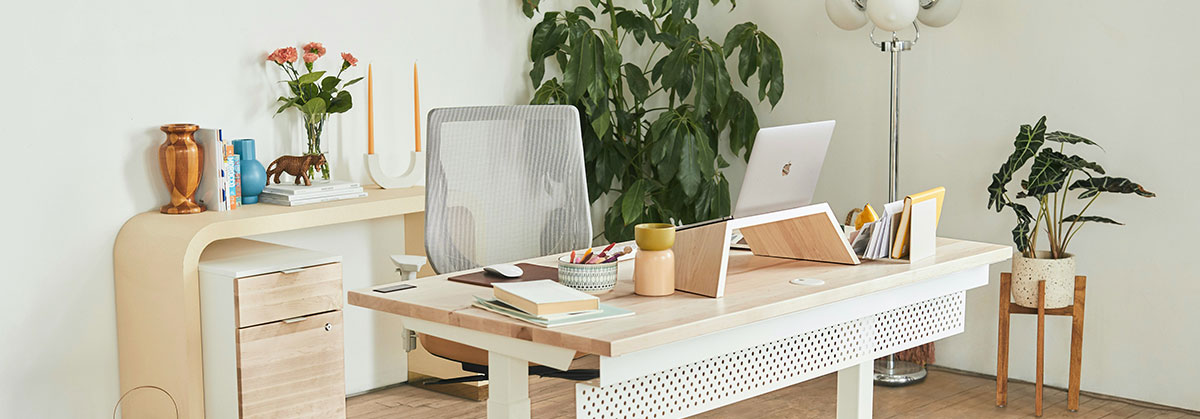
Image Photo by ergonofis on Unsplash
In 2026, as the line between work and home life continues to blur, a zen home office has moved beyond placing a succulent on a desk. However, one in four don’t feel their workspace is calming or relaxing, a study by Hammonds shows.
A calm, thoughtfully arranged room is necessary to reduce mental noise and focus on work. Whether your workspace is your kitchen table or you have an expertly crafted, fitted home office, small design decisions shape how steady and capable you feel throughout the day.
Adopt the “Earth-Tone” Wellness Palette
Start by anchoring your workspace with grounded colours drawn from nature. Research by Hammonds shows the most relaxing room colours are white, duck egg, pale grey, beige and sage green.
Clay, muted olive, warm stone and soft sand shades support concentration because they rest gently on the eyes, especially during long screen sessions. When you repaint a wall or choose cabinetry in these tones, you avoid harsh, sharp contrasts that drain your attention.
A balanced palette also helps your mind transition between work and rest. You can introduce depth through textured finishes such as limewash paint or a woollen wall hanging, which absorb light and soften echoes.
“Biophilic” Air & Sound Infrastructure
Bring the rhythms of the outdoors inside to stabilise your mood during demanding workdays.
A leafy plant near your desk raises humidity slightly, which can reduce dry eyes when you work on screens. Unpleasant smells contribute to stress for 65% of people, according to a study by Hammonds. Try a small grouping of herbs near a window to gently release natural scents that cut through stale indoor air.
Sound matters just as much as sight. Reduce sharp noise reflections that interrupt your thinking with soft furnishings and acoustic panels. Even the recorded hush of rainfall can mask sudden household sounds.
Circadian-Synced “Soft” Lighting
Choose lighting that follows the natural arc of daylight.
A desk lamp with adjustable warmth lets you use cooler light in the morning to signal alertness, then ease into warmer tones as the afternoon fades. Position task lighting slightly to the side of your dominant hand to avoid glare on the screen and fill the rest of the room in diffused light using wall sconces or shaded floor lamps. This layered approach stops your eyes from jumping between bright and dark zones, making long stretches of reading or writing feel less taxing.
Tactile, “Low-Friction” Furniture
Select furniture that supports smooth movement rather than demanding constant adjustment.
A chair upholstered in breathable fabric with gentle resistance encourages small posture shifts without pulling you out of your workflow. A desk with rounded edges feels more inviting during long sessions. Low-friction drawers and soft-close cupboards allow storage to function effortlessly, keeping your mind on the task itself. Even a simple felt desk mat adds grip for your keyboard and warmth under your wrists, subtly improving comfort during repetitive work.
The “Zero-Cable” Mindset
Commit to a layout that hides or removes visual clutter that comes from wiring and devices.
When cables snake across the floor or desk, they act as constant visual interruptions, even if you no longer consciously notice them. Routing wires through cable trays, choosing furniture with built-in channels, or switching to wireless peripherals clears your peripheral vision, which helps your brain prioritise work.
Designing a zen-led professional sanctuary does not require grand gestures or perfect minimalism. By tuning colours, light, sound and touch to support how you actually work, you create a space that absorbs stress instead of reflecting it back to you.
This is a guest post and therefore these are not necessarily the views of Index Digital.
#HomeOffice #WorkFromHome #IndexDigital