



Transforming Spaces: The Importance of Thoughtful Illumination
GUEST POST.
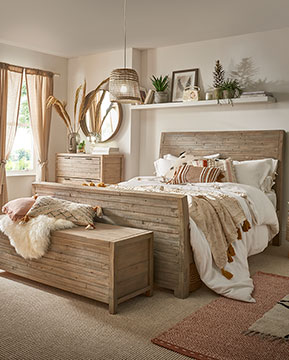
Image Photo by Don Kaveen on Unsplash
Lighting plays a vital role in interior design, shaping the atmosphere of any space. Beyond its functional purpose, well-planned illumination improves visual appeal and influences both mood and usability. Whether highlighting artwork or creating a welcoming space for guests, the right lighting decisions can transform your home or office into a visually appealing setting. Let’s explore how thoughtful lighting design can elevate your environment.
The Role of Lighting Design
Every room in your home has a specific purpose, and effective lighting enhances that purpose. Bright lights in a kitchen improve visibility for cooking, while soft, warm lighting in a living room fosters a comfortable and inviting atmosphere. Recognising the influence of lighting design is key to achieving the ambience you want.
Consider how different types of lighting work with your decor. Ambient lighting offers general illumination, task lighting focuses on areas for activities like reading or cooking, and accent lighting highlights features such as artwork or architectural elements, adding visual appeal.
Incorporating a variety of light sources and fixtures can elevate your design. A mix of recessed lights, floor lamps, and decorative fixtures adds depth and texture to a space. Additionally, the colour temperature of bulbs significantly impacts the mood. Cooler tones invigorate a room, while warmer tones encourage relaxation.
Layering light sources is another effective way to enhance a room. Start with ambient lighting as the foundation, then add task lighting for specific activities. Accent lighting can serve as the final layer, bringing focus to decorative elements. Dimmers are also a valuable addition, offering flexibility to adjust brightness levels based on time of day or mood. By carefully planning your lighting, you can ensure each space in your home feels cohesive, functional, and visually appealing.
Creating the Perfect Display with Purposeful Illumination
Lighting is a powerful tool for showcasing artwork and photographs, transforming them into captivating focal points in your home. Purposeful illumination not only enhances their visual appeal but also introduces a sense of refinement to your interior design. Using directional lighting, such as spotlights or picture lights, can draw attention to your art and highlight its unique qualities.
Picture lights are especially effective in creating an elegant display. Designed to provide focused illumination, they ensure your artwork is seen in optimal lighting conditions while offering protection from the harmful effects of direct sunlight, which can cause fading over time. For a stylish range of options, explore the picture lights collection by Corston. Their designs cater to both modern and traditional aesthetics, with various finishes and sizes available to suit your space and style.
Adjusting the lighting’s angle and intensity can dramatically enhance textures, colours, and details in your art. For example, warm lighting can highlight the depth of oil paintings, while cooler tones work well for contemporary or monochromatic pieces. Layering light sources, such as combining overhead lights with picture lights, adds dimension and creates a gallery-inspired setting.
Experimentation is key to finding the perfect setup. Use dimmers to control brightness and tailor the lighting to the mood or time of day. By carefully curating your lighting design, you can create a personalised art display that elevates your home’s style while preserving the integrity of your treasured pieces.
Practical Tips for Choosing the Right Fixtures
Selecting the right lighting fixtures involves careful consideration to ensure they suit your space. Begin by matching the fixture style with your decor theme. Whether you prefer modern, industrial, or classic designs, choosing complementary fixtures can enhance your interior’s appeal.
Size is another important factor. A large chandelier can create a striking centrepiece in a spacious dining room, while smaller pendant lights are better suited for compact areas like kitchens or hallways. Using multiple lighting types adds depth to your interior design. For instance, pairing overhead fixtures with table lamps and wall sconces can combine function with style.
Energy efficiency is also crucial. LED bulbs are a great option because they consume less energy and last longer than traditional incandescent ones. Choosing these can reduce electricity use and promote sustainable living without sacrificing a well-lit home.
Consider customisation options. Many lighting brands offer tailored solutions to fit specific needs. Working with a lighting expert can help create a personalised plan that aligns with your preferences and practical requirements.
The Role of Natural Light in Your Lighting Strategy
Artificial lighting is essential for interior illumination, but natural light is equally valuable. Maximising daylight can reduce dependence on artificial sources and create a vibrant, welcoming atmosphere. Features like large windows, skylights, and glass doors bring sunlight into your home, making spaces feel energised and open.
Understanding how sunlight moves through your home during the day can improve your lighting plan. Placing mirrors opposite windows reflects light, brightening darker corners. Similarly, using lighter wall colours amplifies natural light, giving rooms a spacious feel.
In the evening, consider how your artificial lighting works alongside diminishing daylight. Layered lighting can help maintain a seamless transition as the sun sets. Installing dimmers allows you to adjust light intensity, tailoring the ambience to different times and moods.
Striking a balance between natural and artificial light ensures a cohesive and functional environment. Thoughtfully integrating both elements creates interiors that are practical and visually appealing.
Illuminating Different Areas of Your Home
Each room in your home has specific lighting requirements. Tailoring your choices to suit each space can improve both functionality and aesthetics.
- Kitchen: Bright and even lighting is crucial here. Pendant lights above the island offer focused illumination for tasks like cooking and food prep, while under-cabinet lighting brightens countertops and reduces shadows. Adding recessed ceiling lights can ensure no area is left in the dark, and dimmable options can help transition from task lighting to a softer ambience for dining.
- Living Room: Layered lighting works best. A mix of overhead fixtures, floor lamps, and wall sconces can create a cosy and welcoming atmosphere. Incorporating smart lighting controls allows you to easily adjust brightness levels for different activities, such as watching TV or hosting guests.
- Bedrooms: Softer lighting is ideal. Bedside lamps with dimmer switches provide adjustable brightness, making it easier to create a calming environment. Accent lighting can also be used to highlight decorative elements or architectural features, adding depth to your design. For wardrobes or closets, motion-activated LED strips can improve visibility while conserving energy.
- Outdoor Spaces: Lighting can extend outdoor usability into the evening. Path lights improve safety, while ambient lighting on patios or decks creates a comfortable setting for socialising. Uplights positioned around trees or architectural features can add a dramatic touch, transforming your garden into an appealing retreat after dark. Consider solar-powered options for eco-friendliness and reduced electricity costs.
- Bathrooms: Functional and flattering lighting is key. Install vanity lights on either side of the mirror to minimise shadows on your face. Overhead fixtures should be bright enough for tasks like shaving or applying makeup, and moisture-resistant options ensure longevity in humid conditions.
Smart Lighting Technology for Modern Homes
Technological progress has brought smart lighting solutions that provide flexibility and ease of use. These systems let you manage lights remotely through apps or voice controls, allowing changes to brightness, colour, and on-off schedules. Smart lighting also supports energy-saving practices by turning off unused lights or activating motion sensors in areas like hallways or closets.
These systems can adapt to your daily routines and create tailored lighting setups for different needs. For example, bright lighting during the day can help with work or tasks, while softer tones in the evening promote relaxation. Pre-set lighting scenes make it simple to adjust the atmosphere for specific occasions, such as dimmed lighting for a movie night or warm tones for a social gathering.
With continuous advancements in technology, integrating smart lighting with other home systems like security or temperature control is becoming more accessible. These innovations improve efficiency and comfort, making smart lighting a valuable addition to any home.
This is a guest post and therefore these are not necessarily the views of Index Digital.
#InteriorDesignTrends2025 #HomeLighting #IndexDigital