




How to Keep Your Herringbone Flooring Clean
GUEST POST.
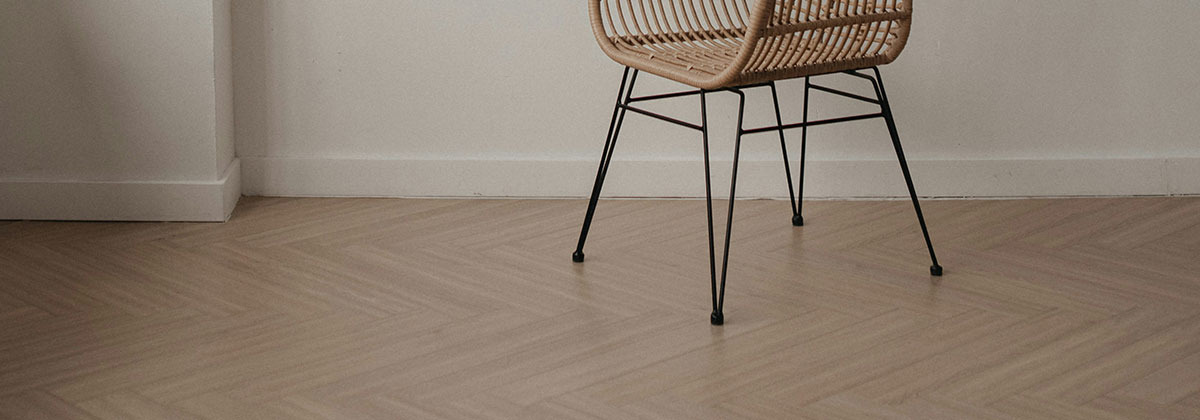
Image Photo by Alina Bondar on Unsplash
Herringbone flooring adds a touch of timeless style to any home. Its distinctive pattern draws attention and gives each room a sense of order and charm. However, this detailed design can trap dust and dirt more easily than straight-laid floors, which makes regular care necessary.
To keep herringbone flooring clean, use a soft broom or vacuum to remove dust, followed by a damp mop with a pH-neutral cleaner.
Proper cleaning not only keeps the floor looking fresh but also protects its finish and structure. Small habits, such as wiping spills quickly and using mats at entryways, prevent damage and reduces wear over time. With the right techniques, the floor retains its natural beauty for years without losing its elegant appeal.
This guide explains simple cleaning methods and maintenance tips that help preserve herringbone flooring. It shows how to protect high-traffic areas, handle gaps and avoid mistakes that can shorten the floor’s life. Each step aims to make care easy and practical so the floor continues to look its best every day.
Basic Cleaning Techniques for Herringbone Flooring
Herringbone floors need steady care to stay clean and maintain their patterned detail. Proper dust removal, safe vacuum use, gentle mopping, and quick action on spills help protect both the finish and joints of the floor. These habits keep the surface smooth and preserve the design’s sharp look.
Regular Dusting and Sweeping
Dust and grit can settle along the zigzag joints of herringbone floors. Regular removal prevents scratches and dullness. A soft-bristle broom or a dry microfibre mop works best for daily cleaning. Always move the tool along the grain direction to keep debris from lodging in the seams.
For households with pets or heavy foot traffic, sweeping twice a day may help. A clean surface also makes the floor easier to maintain between deeper cleans. Many homeowners choose easy to clean herringbone flooring because its smooth finish allows quick dust removal without harsh effort.
Avoid stiff brushes or abrasive pads. They can damage the finish, especially on engineered wood or laminate designs. Keeping a small hand brush nearby helps reach corners where dirt collects.
Vacuuming Safely on Herringbone Patterns
Vacuuming removes fine dust that sweeping may miss. A vacuum with a hard floor attachment or soft roller head protects the surface from scratches. Avoid models with rotating bristles, as they can mark the wood or lift edges on laminate and vinyl floors.
Move the vacuum slowly along the pattern lines. This method captures dust that hides in the angled joints. For best results, use the lowest suction setting that still collects debris effectively.
Empty the vacuum canister often to maintain suction power. A clean filter also prevents fine dust from spreading back into the room. Regular vacuum care supports a longer floor life and keeps the herringbone pattern crisp.
Mopping with Microfibre and pH-Neutral Cleaners
A damp microfibre mop gives a gentle clean without soaking the surface. Excess water can seep into joints and cause swelling or warping. Always wring the mop well before use.
Choose a pH-neutral cleaner suited to the floor material. Harsh chemicals or bleach can strip protective coatings and dull the finish. Work in small sections to control moisture and allow each area to dry before moving on.
Wipe away leftover moisture with a soft towel. This step prevents streaks and water spots. A consistent mopping routine keeps the pattern bright and the surface smooth underfoot.
Spot Cleaning Spills and Stains
Spills should be wiped up as soon as possible to avoid staining or damage. Use a soft cloth or paper towel to absorb liquid, then clean the area with a mild cleaner suitable for the floor type. Avoid soaking the spot.
For sticky marks, dampen a microfibre cloth with warm water and gently rub until the residue lifts. Always dry the area fully after cleaning.
Avoid abrasive tools or strong solvents that could harm the finish. Quick, gentle attention helps preserve the natural tone and texture of the herringbone layout. Regular spot care also reduces the need for deep cleaning later.
Protecting and Maintaining the Beauty of Herringbone Floors
Proper care keeps herringbone floors looking elegant for years. Regular upkeep prevents scratches, moisture damage, and fading that can dull the surface or distort the chevron pattern. Attention to these details helps preserve both the structure and finish of engineered wood flooring or traditional herringbone wood floors.
Preventing Scratches and Surface Damage
Scratches often appear from grit, furniture movement, or high foot traffic. Placing door mats at entrances reduces dirt and small stones that can mark the floor. Regular sweeping with a soft broom or microfibre mop removes debris before it causes wear.
Furniture pads under chairs and tables protect the surface from dents. Heavy objects should never drag across the floor. Instead, lift them carefully to avoid pressure on the joints.
Shoes with hard soles or heels can scuff the finish, especially on engineered wood flooring. Households that remove shoes indoors reduce long-term surface damage.
A light polish or protective coating every year or two helps maintain the smooth layer that guards the wood from minor scratches. However, harsh waxes or abrasive cleaners can dull the pattern and should be avoided.
Managing Moisture and Humidity
Water and humidity cause expansion or warping in herringbone wood floors. Spills should be wiped up immediately with a soft, dry cloth. Excess water left on the surface may seep into seams and loosen the pattern.
A damp mop, rather than a wet one, works best for cleaning. Using a pH-neutral cleaner designed for wood or laminate prevents swelling and discolouration. Steam mops or harsh chemicals can damage the finish and weaken adhesive layers in engineered wood flooring.
Balanced indoor humidity between 40-60% helps prevent cracks or gaps forming between blocks. In dry seasons, a humidifier can stabilise moisture levels, while good ventilation helps during damp weather.
Sunlight and Fading Prevention
Direct sunlight fades the natural tones of herringbone floors over time. Curtains, blinds, or UV-filtering window films reduce exposure and slow colour changes.
Rotating rugs and furniture every few months keeps the colour consistent across the floor. Otherwise, shaded areas may stay darker while exposed sections lighten.
For rooms with large windows, placing rugs in high-light zones protects the chevron pattern and finish. Regular dusting also prevents fine particles from dulling the surface, helping the floor retain its clean, even appearance.
Conclusion
Regular care keeps herringbone floors in good shape and helps them last longer. Simple habits such as sweeping dust, using a soft mop, and drying surfaces quickly protect the pattern and finish.
Proper cleaners also matter. A pH-neutral solution prevents dull spots and surface wear, especially on wood or laminate types.
Small actions, such as adding felt pads under furniture or rotating rugs, reduce marks and uneven wear. These steps preserve both the look and structure of the floor.
With steady care and the right tools, herringbone flooring keeps its clean lines and natural charm for many years.
This is a guest post and therefore these are not necessarily the views of Index Digital.
#FloorCleaning #HerringboneFloors #IndexDigital


