


A Bus & Train Adventure Through Southern & Central Western Turkey
Index Digital Publisher Stephen Gurney embarks on a journey across Central West Turkey.
Images Index Digital
When I first dreamed of exploring Turkey by rail, my eyes were set on the legendary Dogu Express – a 30-hour train journey from its capital Ankara, to Kars in the far east, skirting the border with Armenia. Unfortunately, time wasn’t on my side, so I opted for a more compact – but no less enchanting – loop through southern and central western Turkey. What followed was an incredible journey of buses, trains, mineral terraces, rose-scented towns, underground cities, and the endless warmth of Turkish hospitality.
First Stop: Antalya – A Mediterranean Gateway
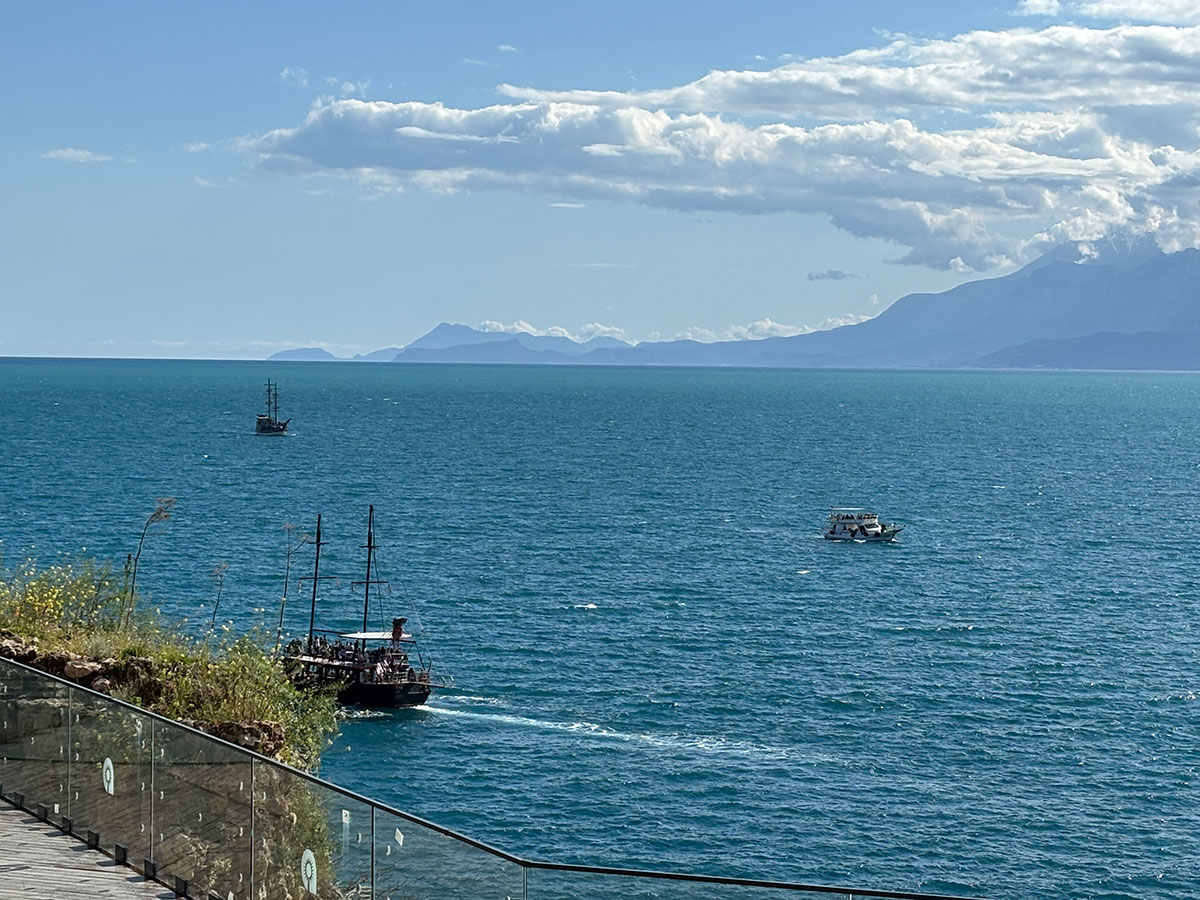
My adventure began with a four-hour flight into Antalya, a vibrant city on Turkey’s sun-drenched southwestern coast. It’s a heady mix of turquoise beaches, ancient ruins, bustling markets, and friendly faces. While I’d be back in Antalya later, I headed off almost immediately on a round-trip that would cover over 800 kilometres, part by bus, part by train, and mostly by instinct.
Thermal Wonders and Ancient Ruins: Exploring Denizli and Pamukkale
From Antalya, I boarded a four-hour bus to Denizli, easily arranged via FlixBus and supported by Antalya’s seamless tram system – just tap in with your credit card and go, all for about 60p. From Denizli, a short ride on a dolmuş (a local minibus, costing 20p) took me to Pamukkale, one of Turkey’s most iconic landscapes. Transport in Turkey is straightforward and affordable – trams, intercity buses and dolmuş all work seamlessly.
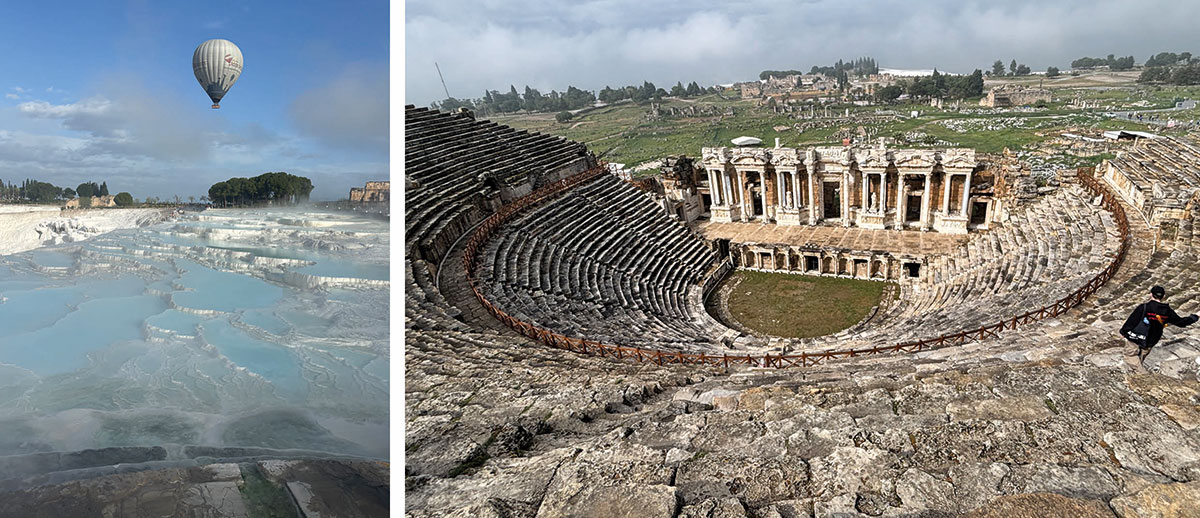
Pamukkale, meaning “cotton castle,” lives up to its name with its surreal white terraces formed by calcium-rich thermal waters. Walking barefoot up these terraces through warm, cascading streams is both meditative and otherworldly. At the summit lies Hierapolis, a Roman-era spa town with sweeping views, a remarkably preserved amphitheatre, and the famous Antique Pool, where submerged Roman columns rest in the water.
Though the pool was closed during my visit and bathing in the bright blue thermal terraces seemed more myth than reality (the water was freezing!), the historical atmosphere and panoramic views were more than enough compensation. Entry to both sites now costs around €30-€40 – money well spent as far as I am concerned.
Pamukkale town surprised me. Some guidebooks dismiss it as a day-trip destination, but staying a night or two unveils a richer experience. Locals are warm, food is plentiful, and though you may not be able to find a decent cappuccino, you’ll find other comforts as well as unique experiences – like a pizza made by the most intoxicated chef I’ve ever met. I essentially made the meal myself while he stumbled around. It may have resulted in burnt pizza for dinner, but it definitely makes for a hilarious memory.
The Quiet Beauty of Isparta
Next up was a six-hour train eastward to Isparta, which cost a mere £2.50, and saw us winding through sleepy villages and lush countryside. Local Turkish trains may not win awards for speed, but they deliver in charm – and in my case, a golden memory of being invited into the driver's cabin as we rolled into Isparta late at night.
Known as the City of Roses, Isparta is nestled at the base of the Taurus Mountains. Famous for its attar rose oil and handmade carpets, the town is a haven for hikers, cyclists and lovers of lakeside serenity. I only stayed one night, but the scent of roses and slow pace of life left a lasting impression.

Antalya Revisited – The Heartbeat of the Riviera
Returning to Antalya, I rediscovered its many contrasts. The old town Kaleiçi, with its Ottoman-era houses and Hadrian’s Gate, stands in beautiful opposition to the modern bustle of malls, tram lines and sprawling food courts. Cross the tram lines from old town to new, and prices halve. I feasted on street food dinners for £5, mingled with locals and felt genuinely immersed.
My favourite hangout? Luna Gardens, perched on the edge of Kaleiçi – a perfect blend of ambiance and espresso.
Cappadocia: Balloons, Caves and Underground Cities
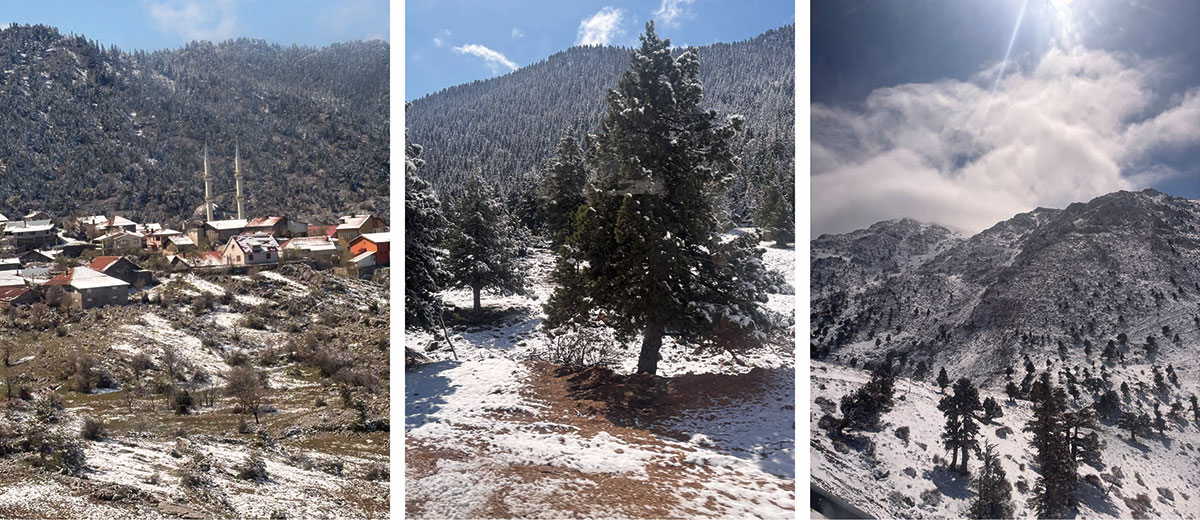
The next leg was a nine-hour overnight bus to Göreme in the heart of Cappadocia – a trip that cost £20 and spanned some of the most dramatically shifting landscapes I’ve ever seen. Leaving behind the azure Mediterranean, we climbed into snow-draped forests and through the Taurus Mountains, before descending into Cappadocia’s strange, storybook terrain.
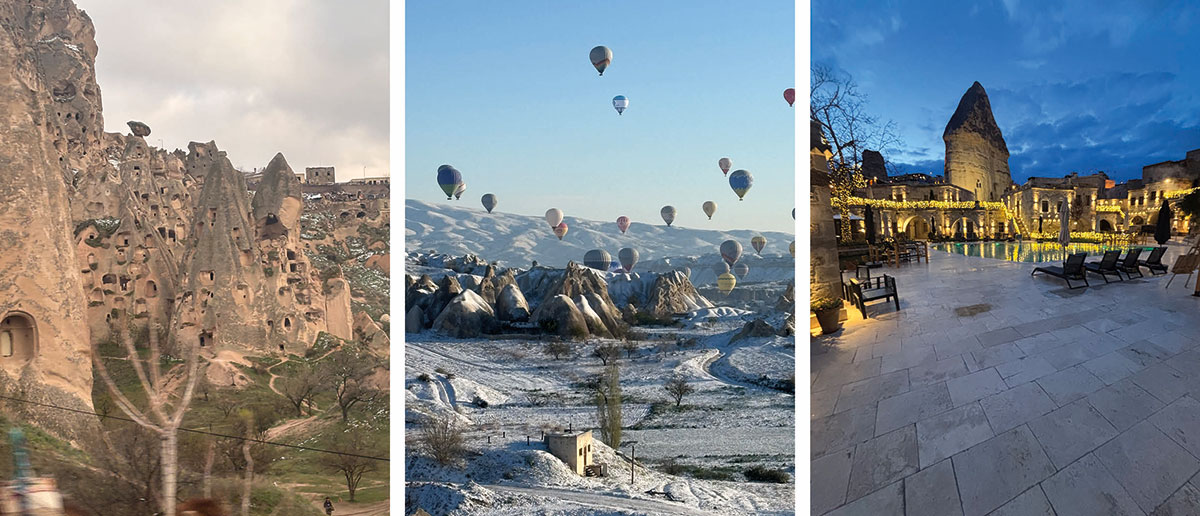
The region’s fairy chimneys – volcanic rock spires shaped by millions of years of erosion – dot the landscape like something from a sci-fi film. Beneath them lie more than 100 underground cities, carved by early Christians escaping persecution. Some go 10 floors deep, housing entire subterranean societies, livestock, kitchens, churches – but no toilets. Clay pots served that purpose. Remarkable.
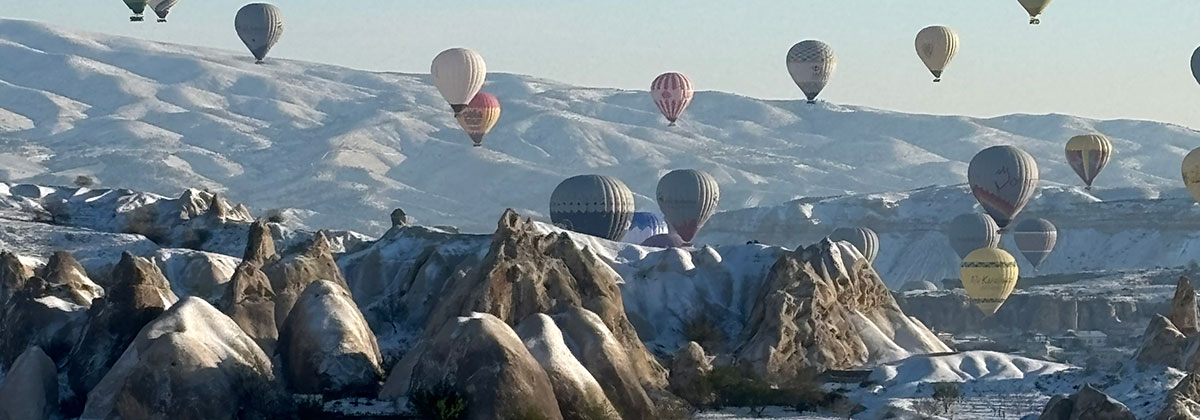
I stayed in Göreme, the most accessible town in the region, though a bit touristy. But you can’t beat the magic of watching the sun rise from a hot air balloon, drifting above this surreal landscape, like a dream you don't want to end.
YOU MIGHT ALSO LIKE: La Gomera, La Palma, and El Hierro: Exploring the Hidden Treasures of the Canary Islands
Eskisehir – The Student City with Soul
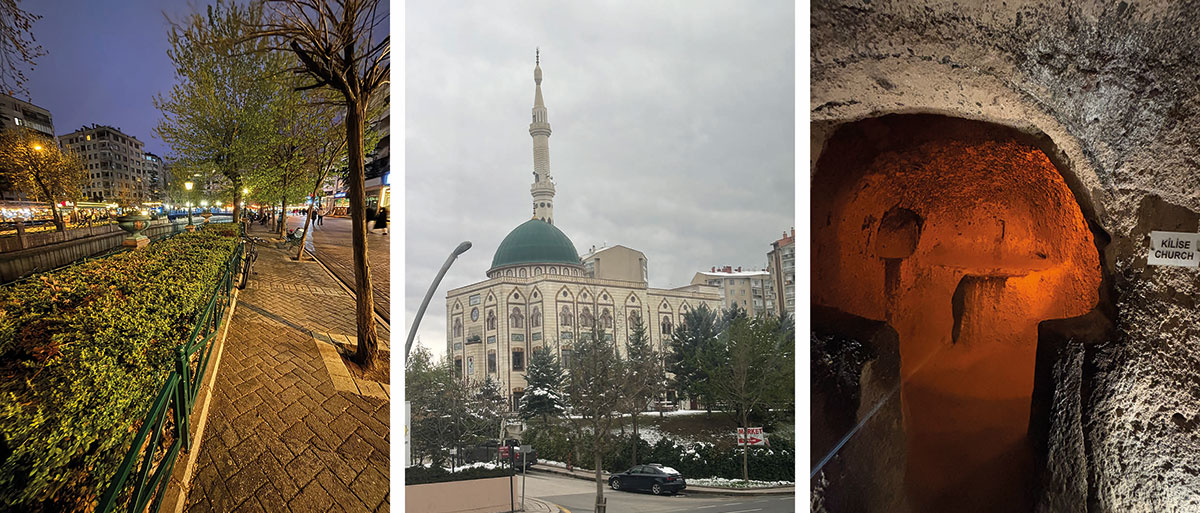
From Cappadocia, I travelled to Eskişehir, a lesser-known gem in northwest Turkey, to begin the final leg of my rail journey: the Pamukkale Express. Eskişehir, meaning “Old City,” is ironically one of Turkey’s most youthful-feeling places, thanks to its vibrant student population. The Porsuk River runs through its centre, flanked by cafés, bookshops and a gentle, artsy buzz. Its definitely worth spending two days there if you're exploring the region.
The Pamukkale Express: A Scenic Ride Through the Heart of Turkey
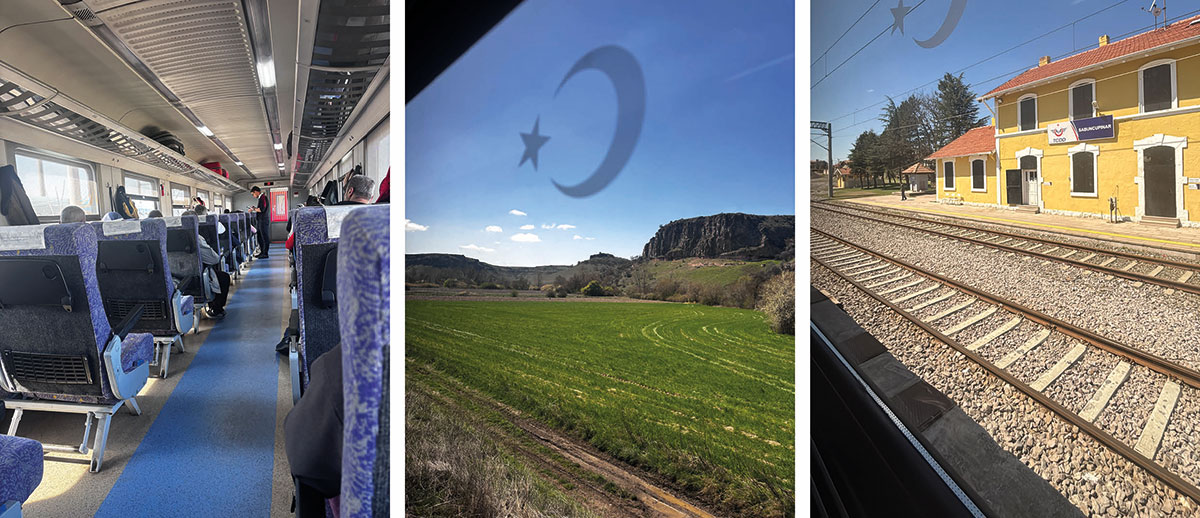
I booked the Pamukkale Express on RailTurkey.org for just £4.50, a fraction of UK rail prices. What I didn’t realise? There is no dining car. I asked the inspector where I could eat, and he pointed to the next station’s food stall. In my haste, I jumped off the train for a quick tea and snack. But suddenly, the train began to pull away – so with tea in one hand and change in the other, I sprinted back, leaping onto the moving train Bond-style! Having made it onto the train the next hour was taken up with me running through the different potential scenarios of the train leaving without me and all my luggage, money, passpost etc still on there.
This eight-hour ride weaved through mountain passes and sleepy towns. I was likely the only foreigner on board and it offered a window into local life far from tourist trails.
Bodrum: From Ancient Wonders to Modern Marina Life
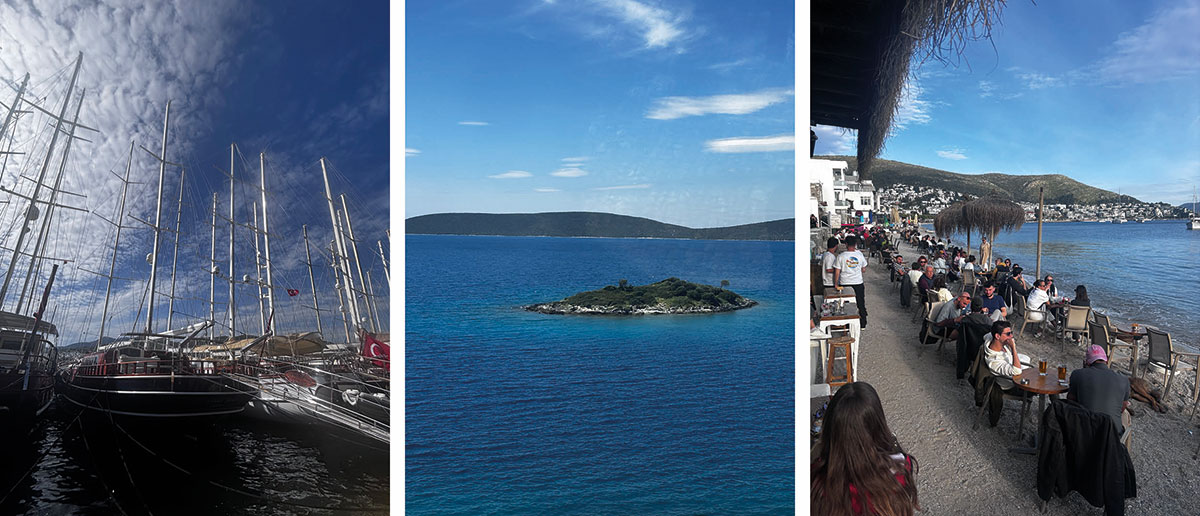
My final leg took me by bus to Bodrum, a coastal town steeped in history – it once housed the Mausoleum at Halicarnassus, one of the Seven Wonders of the Ancient World. Today, it's a magnet for tourists and yachts, swelling from 150,000 residents in winter to more than two million in summer.
Despite its polished marina and tourist bustle, Bodrum retains a community charm. Dinner is often a chaotic symphony of Raki, music, stray cats and dogs, and the ever-present smell of grilled meats. It's a heady mix – wild, warm and unmistakably Turkish.
Final Thoughts: Travel Slow, Travel Local
This whirlwind adventure wasn’t the epic Dogu Express I had initially planned, but it offered something equally unforgettable – a tapestry of landscapes, people and stories stitched together by local buses and slow trains. If there's one lesson from this trip, it's this: venture beyond the tourist zones, follow the local routes, and let the rhythm of Turkey guide you. That’s where the magic lives.
Top tips:
- For a luxury hotel in centre of Kaleiçi head to RuinAdalia Hotel Antalya
- A beautiful hangout spot for great coffee can be found at Luna Garden Antalya
- Great accommodation can be booked at Yellow Stone House B&B Göreme
- Make sure you put visiting Eskişehir for a few days on your list
- Visiting Pamukkale – ideally out of peak tourist season – is a must
- Enjoy the wonder of a ballon ride in Cappadocia (out of tourist season)
- Finally, make sure to take the Pamukkale Express train for the day
#VisitTurkey #TravelInspiration2025 #IndexDigital