


A Spectacular Train Odyssey through Enchanting Central Europe
Index Digital Publisher Stephen Gurney takes us on a three-week trip across Europe to Croatia and back – and shares some top tips on where to go and what to do.
My latest trip across Europe took me on a journey from Canterbury West here in Kent to Split, Croatia and back, travelling through Belgium, Germany, Austria, Slovakia, Hungary, Slovenia and finally on to Split and the Croatian Coast before heading back.
Getting an Interrail pass is very straightforward online – I booked 10 days worth of travel for a 20-day trip which allowed a few stops and visits along the way. Once booked, the app is really easy to use making for stress-free travel.

My trip starts off with ease as I jump on at Canterbury West train station at 5.17am for the fast train to St Pancras. On arriving in the city the feeling of the adventure begins among the early morning chaos of the international train terminal and people eagerly looking forward to their break, and not dampened by the business people – who have clearly done this many times before – looking bored.
I am aiming for Nuremberg today via Brussels and Frankfurt, a 10-hour trip that will get me into the heart of Germany. One book I am reading suggested the option of taking the slow train to Venice going via Calais using smaller more local trains, which is an attractive and more adventurous option – but I wanted the fast train to get into central Europe in one day.
The landscape on this part of the journey is pretty flat and uninteresting, bar a few pretty German villages, so I take it as a good chance to read, sleep and Google! The fast trains don’t have the same ambience or sense of adventure as the slow ones, but they do get you there quicker with fewer stops and there are still great conversations to be had with other travellers.
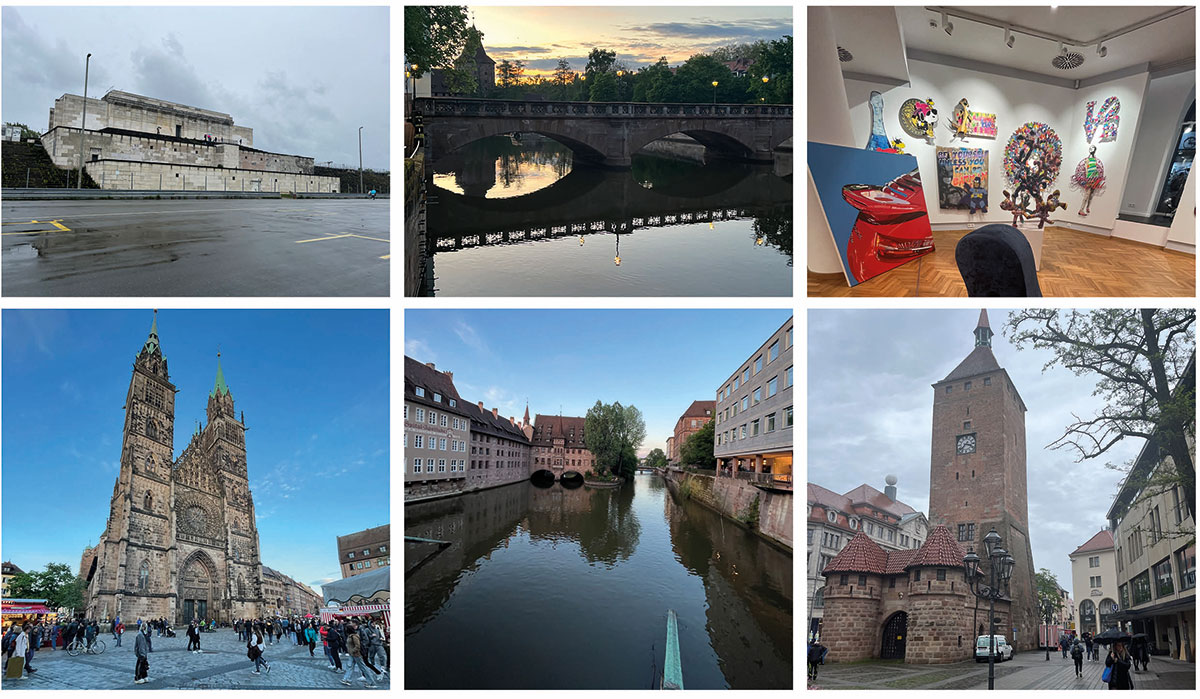
My hotel by Nuremberg station is simple but pleasant and an easy walk into the centre of the City. During my stop here I walked to the old town to discover a truly beautiful Bavarian City sitting on the Pegnitz River, visited the Nazi Rally sites on the outskirts of the city and generally walked around the old town. Using TripAdvisor I found the Original Bar which is run by amiable Jamaican Englishman Terence who gave me great insights into the city and the fact that Adidas and Puma have big sites nearby, so a lot of workers from around the world are based here.
Nuremberg has a long and varied history dating back to 1050 and hosts one of Europe's largest castles (Nuremberg Castle), many towers and a large university. It was considered once the epicentre of Europe and more recently was noted for the Nazi Rallies prior to the Second World War and the persecution of the Jews by Hitler and the Nazi regime. Subsequently the old medieval town was bombed by the allies which destroyed 90% of the old city – which has now been rebuilt in the original medieval style.
Recommendations: The Christmas Market in December. The Nazi Rally Grounds. Evening Cocktail Beer at the Original Bar. Nuremberg Castle. Take a wander around the Medieval town in early evening.
The train from Nuremberg to Bratislava, the capital of Slovakia, takes about seven hours via Vienna. The city is somewhat overlooked on the tourist trail compared to Vienna and Budapest. My first impression of Bratislava on the walk from the station was that it is quite basic with hints of its communist past in the buildings, and full of groups of men (the beer and food here is very cheap averaging about £1-£2 per pint of local beer). However, arriving in the old town it becomes much more impressive.
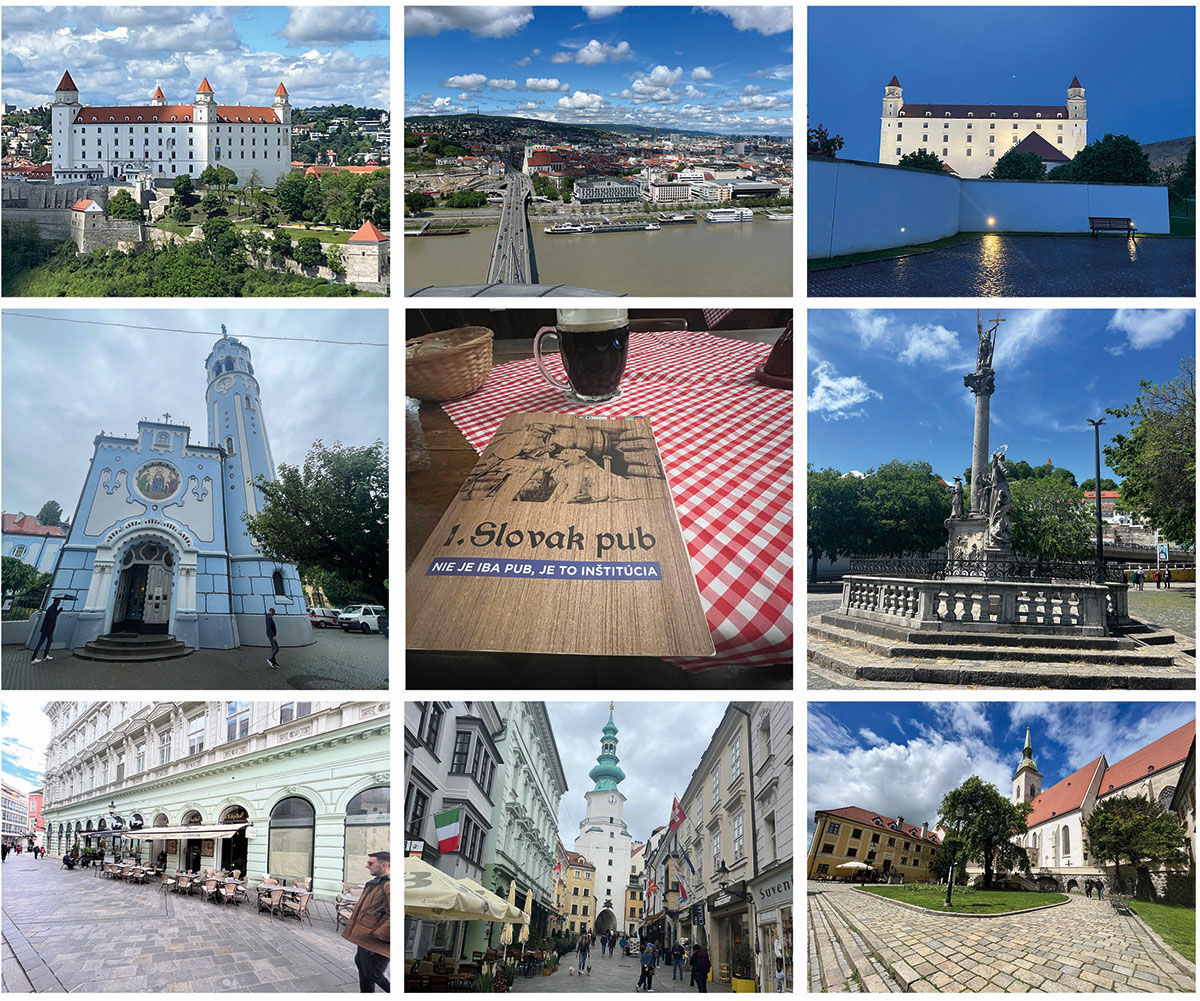
Bratislava, too, has a long and varied history having once been part of the Austro-Hungarian and then the Czechoslovakia empire, and visited by Napoleon and Beethoven. Slovakia finally achieved full independence in 1993.
The prices here are cheap compared to other main European cities and it is definitely great for a visit of between one and three days as the city has an amazing history, and beautiful surrounding castles and countryside to explore.
Zagreb (the capital of Croatia) is so far my favourite city on this (and my previous) trip. It seems less touristy than places like Vienna and Budapest and has a great feel about it. It's easy to access everywhere in the city on foot and there is a sociable atmosphere with lots of wine bars and cafes lining the streets and trams moving about everywhere making it lively, especially at night.
Zagreb is also called the city of museums as it has more per square foot than any city in the world. It's made for wandering around and enjoying the cafe culture and easy vibe around the beautiful red roof buildings and cobblestone streets.
Recommendations. Visit the Museum of Broken Relationships and after enjoy coffee or wine at the Esplanade Hotel Veranda.

YOU MIGHT ALSO LIKE: Tunbridge Wells to Sicily, via Slovenia by Interail
The train from Zagreb to Sibenik (near Split) is much more interesting and very different from the fast European trains. As the train rolled and rocked throughout the impressive valleys and mountains, my six-hour trip was made much quicker with some great chat and laughs with two Croatians who told me a lot of history from the area, including the 1990 Yugoslav wars which features in a lot of conversations in this area. More recently some of the towns have been decimated as a lot of people have moved to Germany for work. I also found out that the average salary in Croatia is about 800 euros per month, the same as it costs to rent a flat in the cities, so life is hard for the young and buying a house is really hard to achieve.
It's so easy to strike up conversations in Croatia – the people seem really friendly and willing to chat, but no doubt as I head into more touristy areas that will get less. Even at Zagreb train station I had nice smiles from the lady managing the tickets which is something I don’t normally experience, especially in cities.
I transferred late at night to the Sibenik train which consisted of me standing on the tracks in the dark and jumping on the connecting, two-carriage train with three people and a driver on board! Even on there I was struck by how friendly and helpful people are.
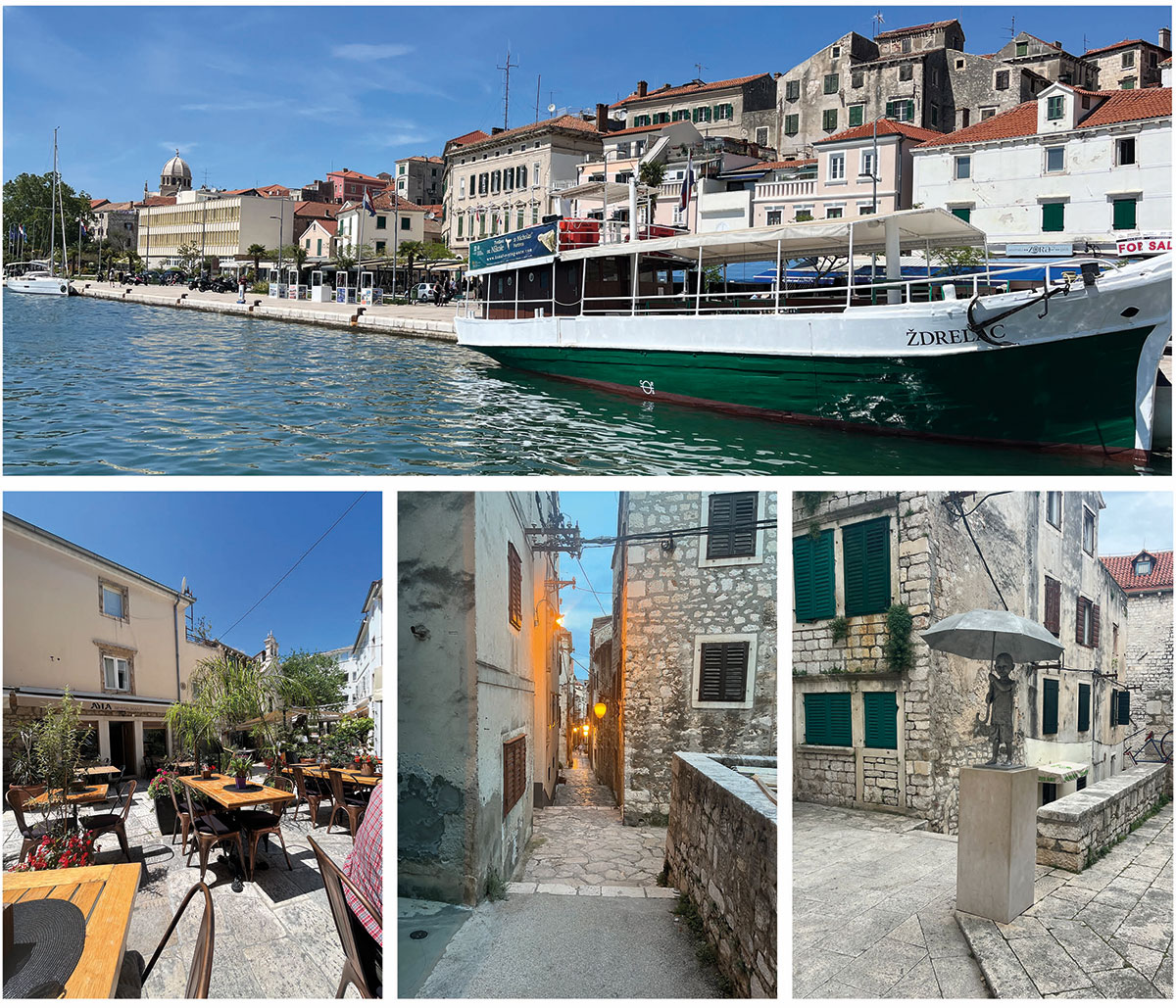
Just north of Split the coastal town of Sibenik, often overlooked by tourists, has a wonderful old town and harbour and is famous for being the first town in the world to have AC (alternative current) electricity invented by Nikola Tesla, originally from Smiljan just north Sibenik – hence now Tesla cars!
Recommendations: Visit in May or September when there are fewer tourists and great weather (usually!). Stay at House Polletti, Sibenik (see booking.com). Enjoy coffee on the seafront or an evening beer at Azimut Bar on the sea front.
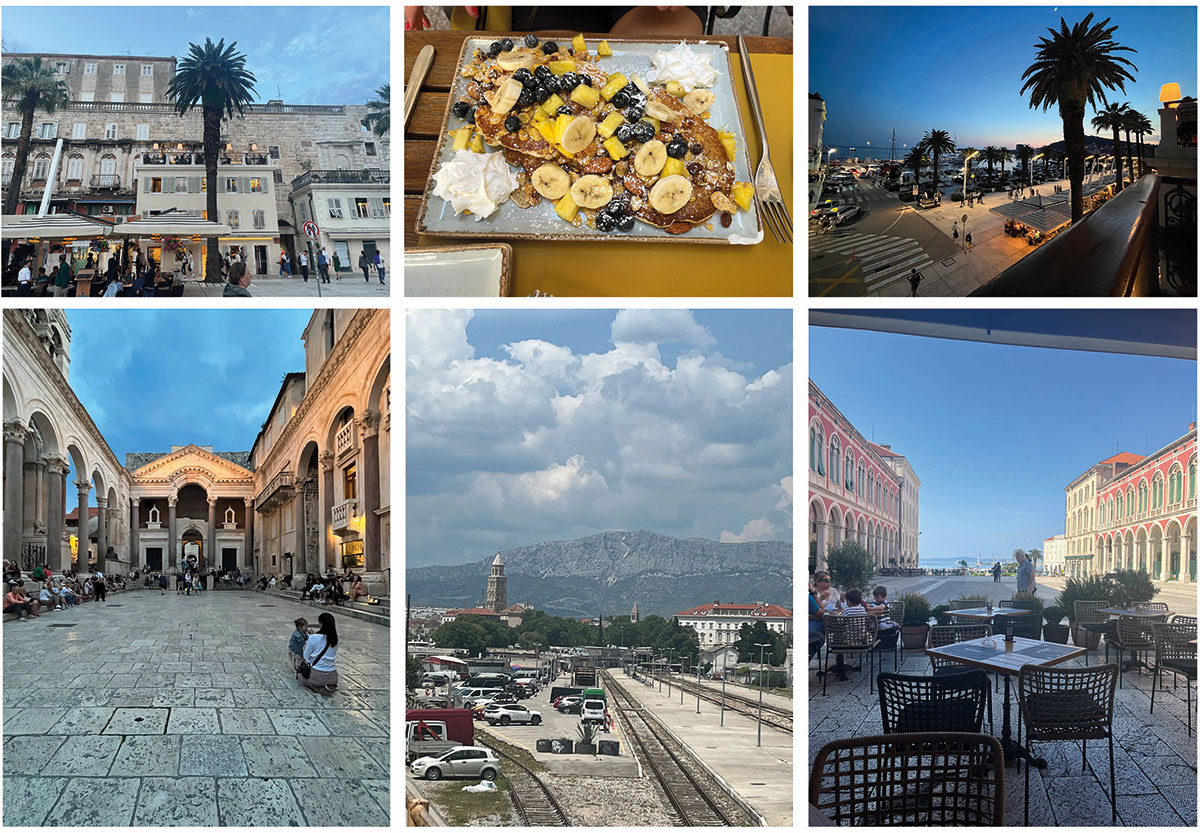
Split, located on the Croatian coast and the gateway to the many islands, is my main destination and meeting point for my girlfriend who is flying over for five days. Split is a very lively city, much more touristy than I was expecting (but not as touristy as Dubrovnik I am told). The old town is very beautiful especially with the Blue Adriatic Sea as the backdrop.
Favourite spot: Coffee in the morning overlooking the sea at Republic Square.
After a few days exploring Split, we jumped on the ferry to a small but beautiful port called Vela Luka on the island of Korcula. It takes three hours and is a lovely trip, especially if you get good weather. After a few idyllic days in Vela Luka we headed back to Split to say goodbye – and for me to head back home by train.

I travelled from Split to Maribor in Slovenia via Zagreb (where I spent another night due to a missed connection). The journey from Split to Maribor takes three hours. The Split to Zagreb train is regularly late but also has a bit of a party feel to it and takes about nine hours in total – but it’s well worth it. The scenery is fabulous, travelling past mountain passes, bright green rivers and stunning churches on hilltops above really scenic towns.
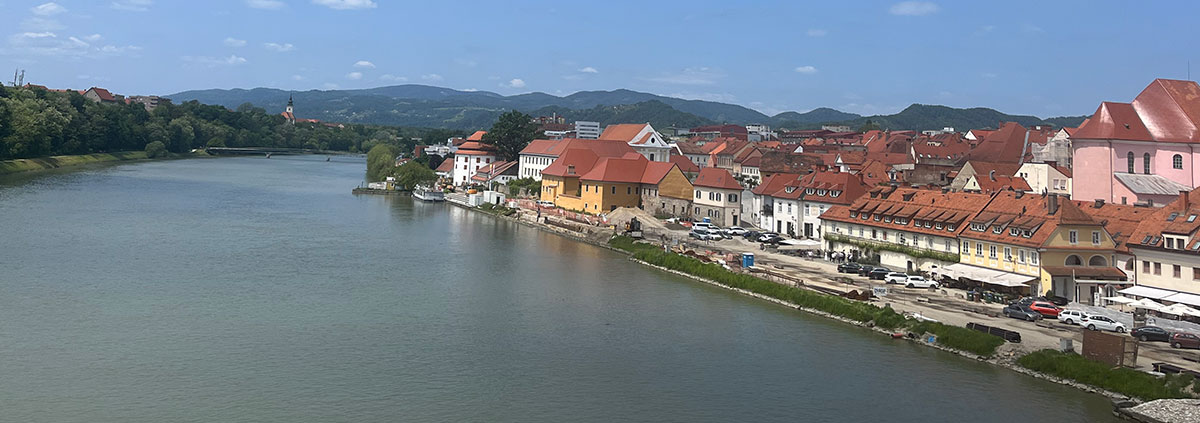
Maribor (The City of Wine) is a smallish city north of Ljubljana, based on the river – it is quite quiet there and there’s a definite lack of English accents! There is a big wine region here and it has the world’s oldest vine dating back 500 years. The 15th Century Maribor Castle is also worth a visit.
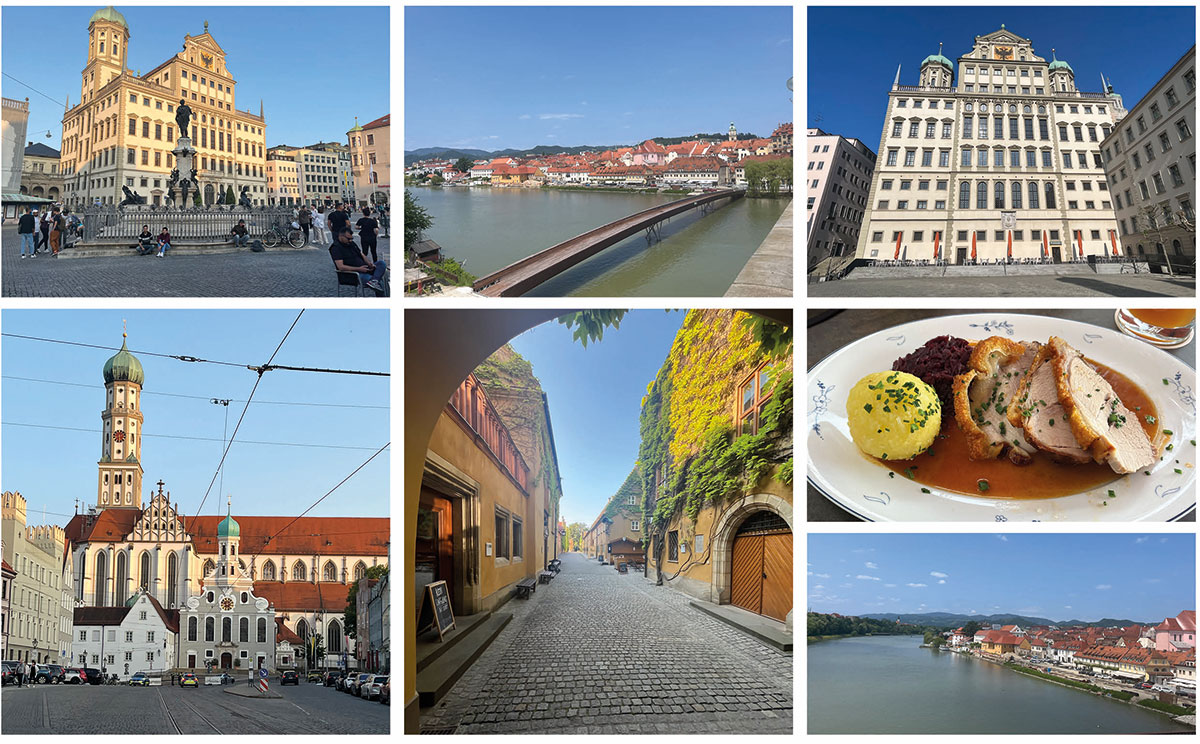
The train from Maribor to Augsburg, Germany takes about seven hours, where I made a one-night stop on my way back – and what a lovely city it is, very scenic and clean. The old town is great to walk around and like Zagreb offers a relaxed atmosphere. There’s lots to see and do including the house of Mozart’s father (Leopold Mozart), and the earliest surviving housing estate in the world: Fuggerei. And of course there are many fabulous Bavarian renaissance buildings and churches, partly influenced by the Mozart family in the 1700s.
Last stop Frankfurt! I always think first impressions are important and sadly my experience was not great here. I discovered dirty streets and an atmosphere that was a bit weird, but I was staying by the main railway station – so not the best area. I am sure there is much to discover in Frankfurt but that was my impression on walking through the city. Also the train station is utter chaos – I nearly missed two connections.
Talking of which, I did miss a few on my travels, but the beauty of booking travel as you go, if you do get stuck you just find a hotel online for the night and then discover somewhere new. Sometimes it seems fate leads you to a better experience visiting a place you never intended to!
It’s nice to be back home now after three weeks of train travel – but only to be hit by UK train strikes!
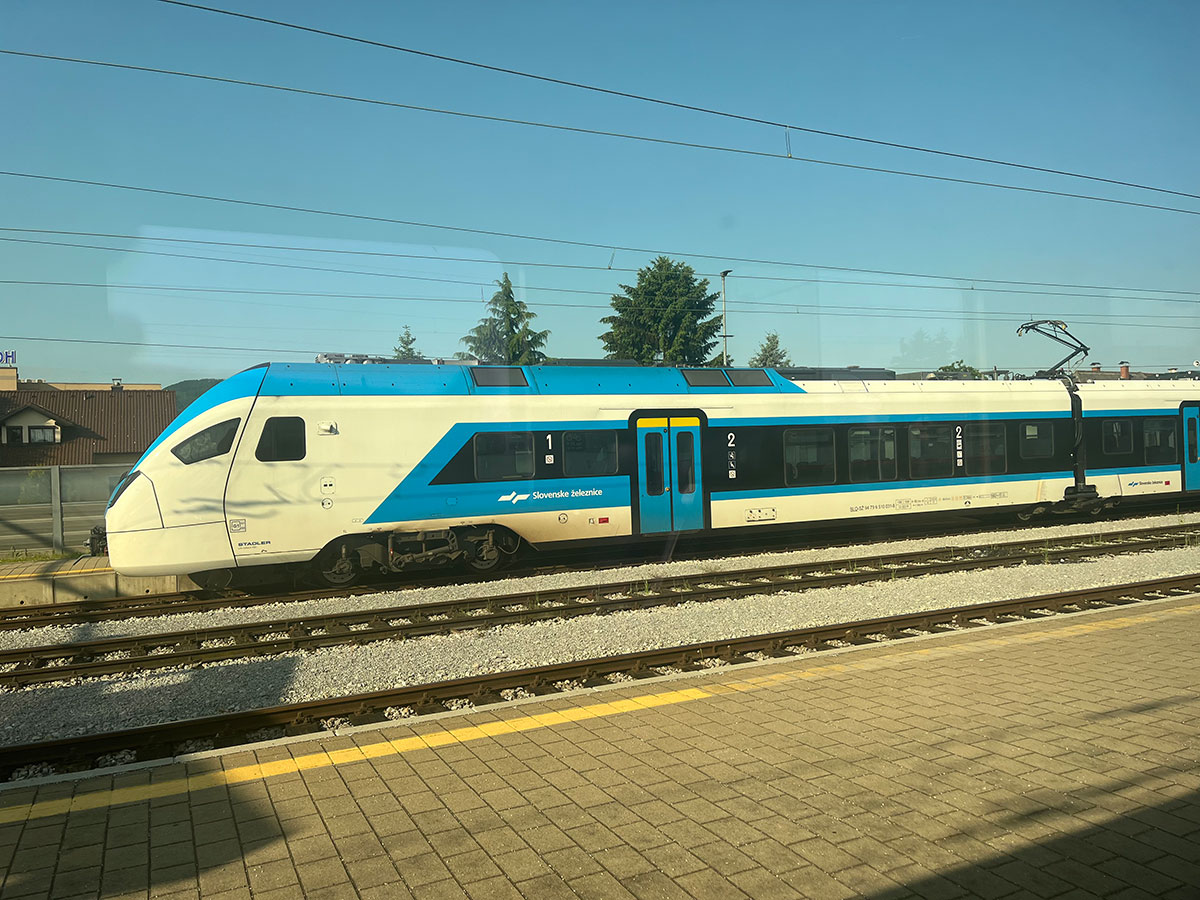
Top highlights of this trip:
Best Coffee Spot: The Republic Square in Split overlooking the Adriatic, Vela Luka Harbour
Best Breakfast: OTS AM KO, Augsburg
Best Brunch: Fig, Split
Best Dinner: Michelin star restaurant ZOI on Split seafront.
Best Stay: Bratislava Palace Apartments
Most Scenic Train Ride: Zagreb to Maribor, Slovenia
Best Chat: The two guys on the Zagreb-Split train who made the journey seem much quicker and informed me on a lot of Croatian History
Images Index Digital
#EuropeanTravel #Interrail #TravelInspiration #IndexDigital